
The Submarine Bottleneck Is Getting 3D Printed Away
In March, the Navy modified its contract with General Dynamics Electric Boat by roughly $15.4 billion to keep the Columbia-class submarine program on schedule. Electric Boat says it plans to hire 8,000 new workers this year alone. Those two numbers describe the same
In March, the Navy modified its contract with General Dynamics Electric Boat by roughly $15.4 billion to keep the Columbia-class submarine program on schedule. Electric Boat says it plans to hire 8,000 new workers this year alone. Those two numbers describe the same underlying problem from opposite directions: the country wants more submarines than its shipyards currently have the people or the components to build. The industrial base is short an estimated 140,000 maritime workers, and no contract modification, by itself, manufactures a welder.
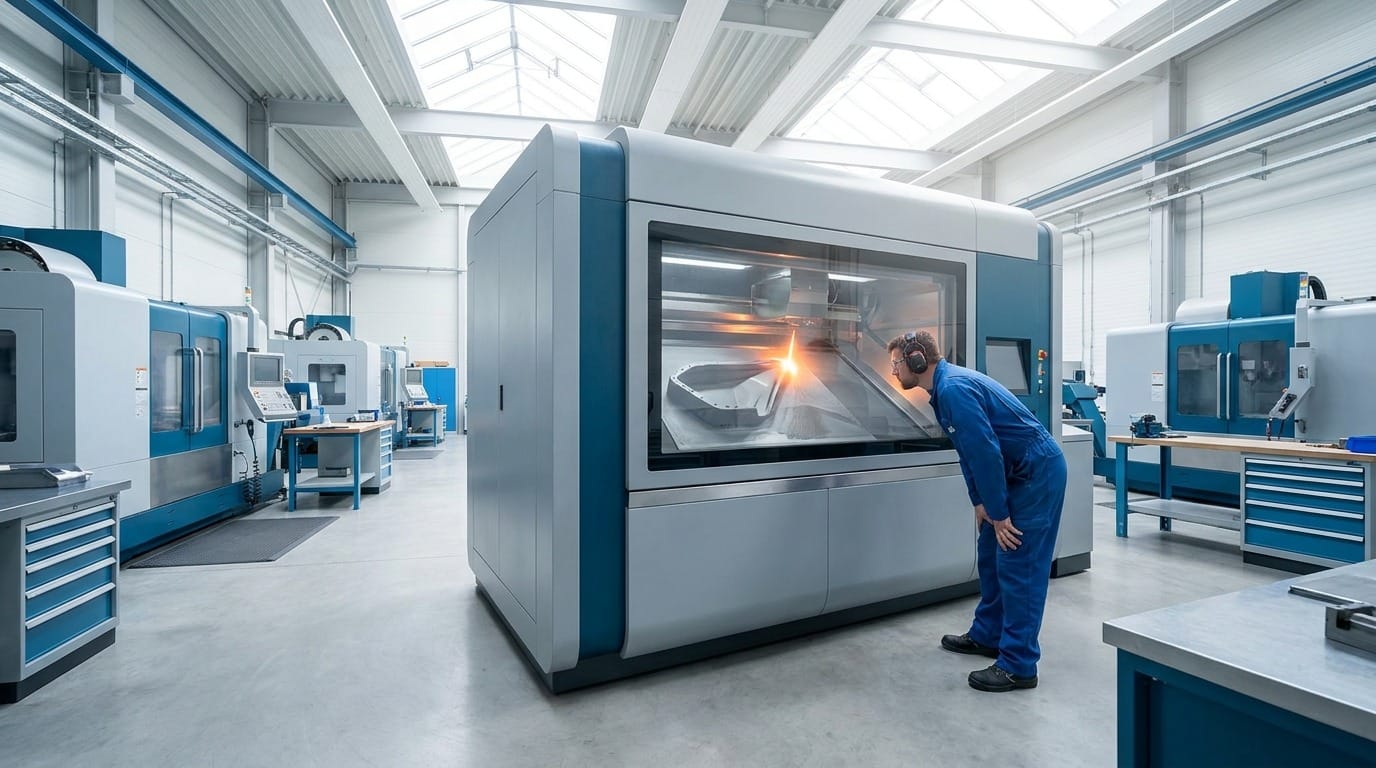
What is actually closing part of that gap is not more headcount. It is 3D printing. The Navy's own data now shows additive manufacturing cutting lead times for some critical submarine components by up to 70 percent, turning a part that used to take months to source into one a shipyard can produce in days. That is a quieter story than a hiring announcement, but it may matter more to whether the submarine schedule holds, because a printed part does not need to finish a multi-year apprenticeship before it can go into a hull.
From the Battlefield to the Balance Sheet
A submarine hull is built from thousands of individual castings, forgings, and specialty components, many sourced from small suppliers that shrank or disappeared during years of underinvestment in the industrial base. When one of those suppliers cannot deliver on time, the entire build schedule for a billion-dollar vessel can slip. Additive manufacturing changes the economics of that bottleneck directly: a shipyard that can print a qualified replacement part in-house is no longer hostage to a single supplier's backlog. Electric Boat and Newport News Shipbuilding have been integrating 3D printing into Virginia-class and Columbia-class construction specifically to attack this problem, and the Navy's procurement arm has been partnering with the Defense Logistics Agency to scale qualified printable parts across the submarine supply chain. For investors, the read is that the capital going into this effort is not primarily buying steel or labor, it is buying schedule certainty, and schedule certainty is what determines whether a multi-decade shipbuilding plan survives contact with reality.
The Dual-Use Reality Check
Additive manufacturing that shortens lead times for submarine castings does not stay inside a shipyard's fence line. The same qualification process, the same materials science, and often the same printers are directly transferable to aerospace parts, industrial spare parts, and any manufacturer that has ever lost weeks waiting for a single specialty component from a supplier with no backup. A shipyard that builds an in-house additive manufacturing qualification program is, in effect, also building a template that automotive, energy, and heavy industrial companies can copy to de-risk their own supply chains. This is the reshoring story underneath the reshoring story. The defense industrial base is not just rebuilding its own capacity, it is re-proving a manufacturing technique that any company anxious about a single point of supply chain failure can adopt without having to run its own decade-long qualification program from scratch.
The Capital Signal
The signal from the submarine program is that the industrial base's most binding constraint right now is not money. The Navy has the budget, the contract modifications keep coming, and the hiring targets are aggressive. The binding constraint is time, specifically the time it takes to either train a worker or qualify a part, and additive manufacturing is one of the few tools that shortens the second kind of time meaningfully. Capital allocators should watch which companies are building qualified, auditable additive manufacturing capability for regulated industries, not just printing novelty parts, because that qualification process is the actual moat. Expect the next wave of reshoring investment to follow this template into other bottlenecked categories: specialty castings, forgings, and any component where a single overseas or single-source supplier still controls the schedule. The companies that get there first will not be the ones with the flashiest printer, they will be the ones that can prove to a regulator, a shipyard, or a customer that the printed part performs identically to the one it replaced.
Signal: The submarine program's real constraint is time, and 3D printing is the fastest lever anyone has found to buy more of it.
Marcus Cole, Top Margin

Drone Defense Is a Cost Curve Problem
At the start of July the Army awarded AeroVironment a contract worth up to $500 million over three years, through Army Contracting
The Missile Ramp Runs Through the Motor Supplier
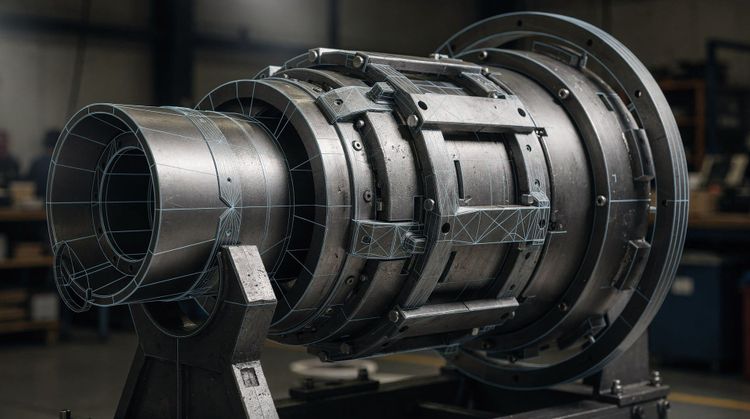
The Navy awarded a seven-year contract worth about $22.9 billion in mid-August to lift Tomahawk cruise missile production from
Repair Capacity Comes Before Hull Count
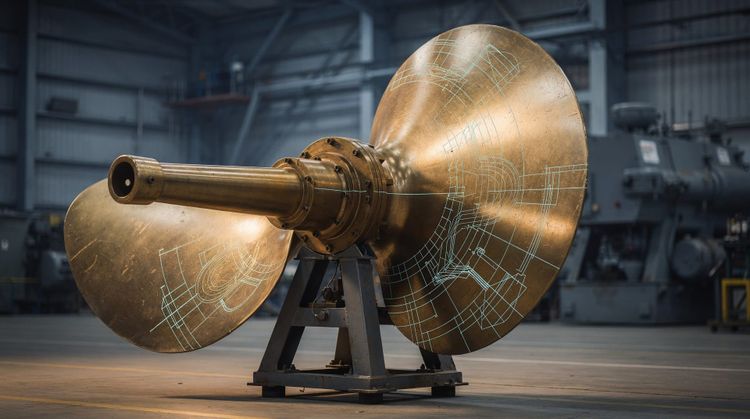
A presidential memorandum issued in mid-August directs the Department of War to restore capacity and competition to the maritime industrial base,
One Autonomy Stack, Two Economies
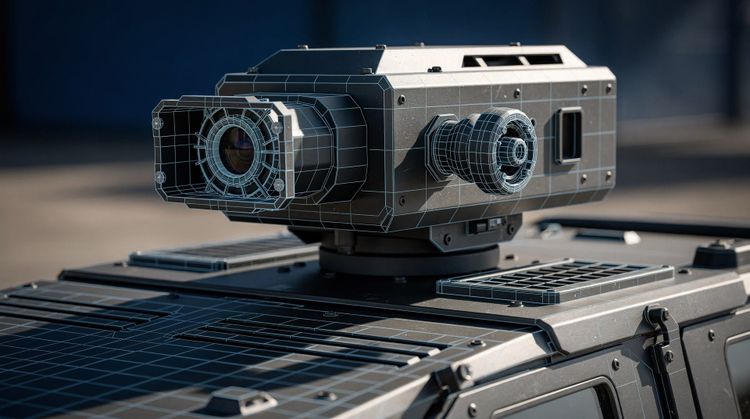
A publicly traded autonomous trucking company now sits inside three separate military ground vehicle efforts. It holds a Marine Corps contract to
Join The Strategic Reserve
Get encrypted weekly intelligence. No noise, just mission-critical data