
The Simulation Comes Before the Weapon Does
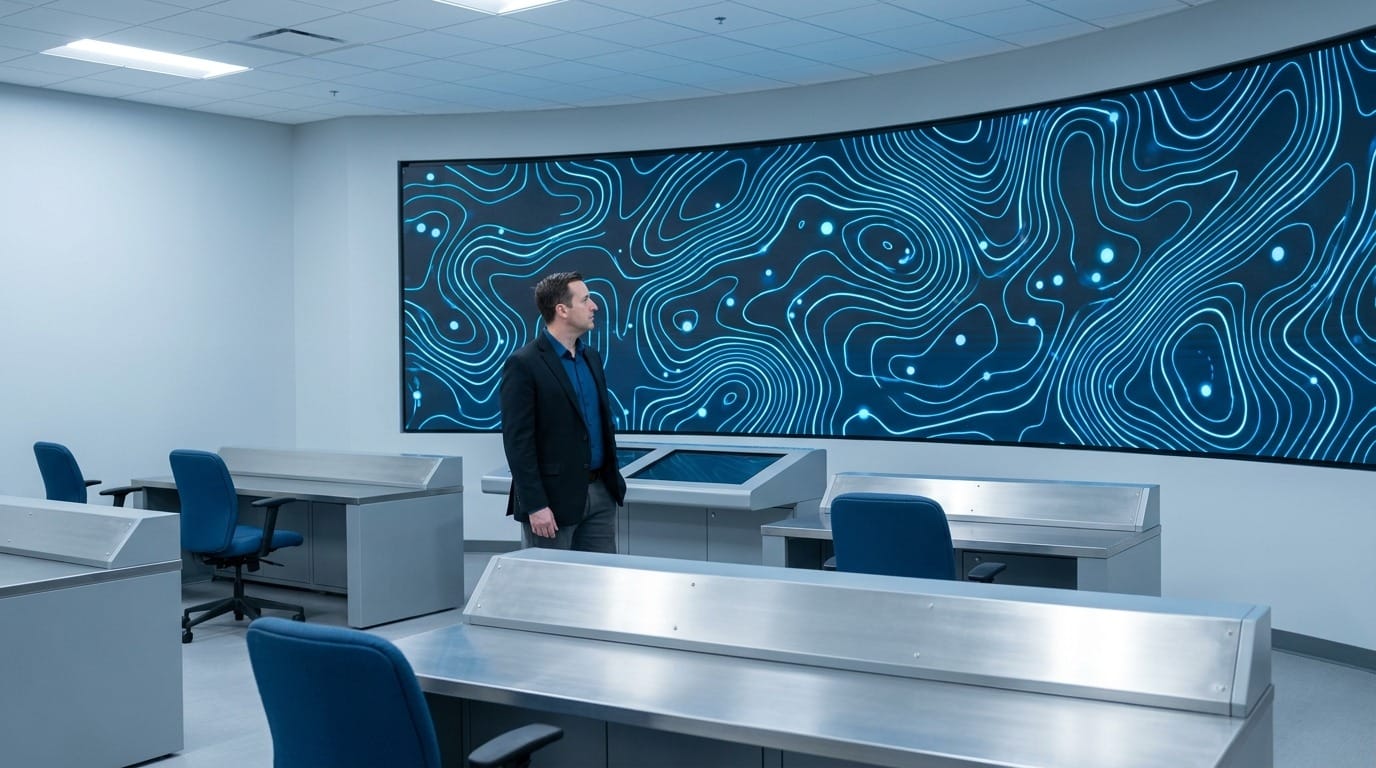
Code Metal landed an $80 million Pentagon contract this month to modernize WarMatrix, the Department of War's wargaming and simulation environment, folding AI directly into how the military plans and rehearses operations before committing real forces or equipment to anything. Scale AI runs a
Code Metal landed an $80 million Pentagon contract this month to modernize WarMatrix, the Department of War's wargaming and simulation environment, folding AI directly into how the military plans and rehearses operations before committing real forces or equipment to anything. Scale AI runs a separate $249 million contract called Thunderforge, the largest dedicated AI data services deal in the category, built with Anduril and Microsoft to develop AI agents for modeling, decision support, and simulation. Palantir's Maven system, already expanded through a ten-year Army enterprise agreement worth up to $10 billion, increasingly shares the same underlying job: turning data into a synthetic picture of what might happen next.
None of this is about a weapon. It is about the environment military planners use to test ideas before they become real programs, real deployments, or real purchase orders, and AI is being layered into that environment specifically to make it faster and more realistic than the manual, human-intensive wargaming process it replaces. Rebellion Defense and a handful of smaller synthetic-environment startups are reportedly seeing the same tailwind, which suggests this is a category shift rather than one company's lucky contract.
From the Battlefield to the Balance Sheet
A wargaming and simulation platform sits upstream of nearly every other procurement decision this newsletter covers, because a program only gets funded after planners have modeled how it performs against plausible scenarios, and a faster, more realistic simulation environment changes how quickly that modeling can happen and how confidently a budget decision can be made. Code Metal's contract to modernize an existing, aging simulation environment rather than build something from scratch signals the same pattern this newsletter keeps finding: it is often cheaper and faster to upgrade a legacy government system with modern AI than to replace it outright. Capital allocators should treat companies operating in this layer, the modeling and simulation environment that shapes procurement decisions upstream, as sitting closer to the center of the decision-making process than most hardware vendors ever get.
The Dual-Use Reality Check
Modern simulation and synthetic environment technology, physics engines, AI agents that behave like realistic opponents, large-scale scenario modeling, is functionally the same technology stack that powers commercial flight simulators, industrial training simulations, and increasingly the video game engines that several defense simulation contracts have quietly licensed or built on. A company that gets good at building AI agents that behave realistically inside a military wargaming environment has built a transferable skill for any commercial training simulation, from aviation to energy plant operations to autonomous vehicle testing, where realistic synthetic scenarios are cheaper and safer than testing in the real world. The traffic here mostly runs from commercial gaming and simulation technology into defense rather than the other way around, which is itself a signal of how mature and capable commercial simulation technology has become.
The Capital Signal
The signal is that AI-enabled simulation has become its own defense technology category, separate from the autonomy, sensing, and manufacturing categories this newsletter usually covers, and it is attracting real capital, from an established data-labeling company like Scale AI to a smaller specialist like Code Metal. Capital allocators should watch this category as a leading indicator for the rest of the industrial base, since a simulation environment that convincingly models a new capability's performance is often what unlocks the funding for the physical program that follows, meaning the companies building the simulation layer see the next wave of procurement decisions before almost anyone else does. That vantage point is worth more than the size of any individual simulation contract, because it is effectively a preview of where the rest of this newsletter's coverage is headed next.
Signal: Before the government buys the weapon, it runs the simulation, and the companies building that simulation are watching the next budget cycle take shape in real time.
Marcus Cole, Top Margin
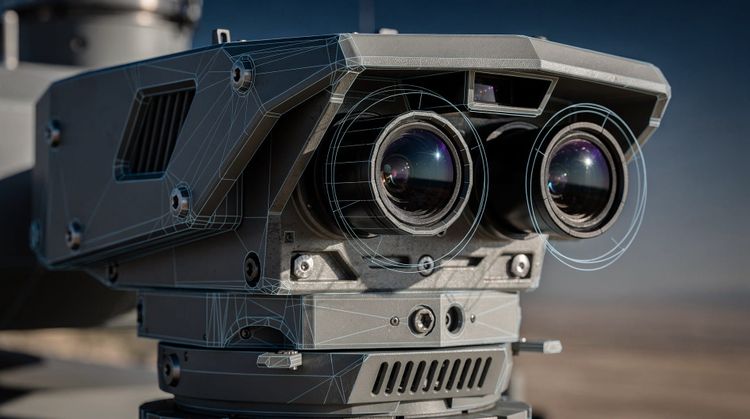
Drone Defense Is a Cost Curve Problem
At the start of July the Army awarded AeroVironment a contract worth up to $500 million over three years, through Army Contracting
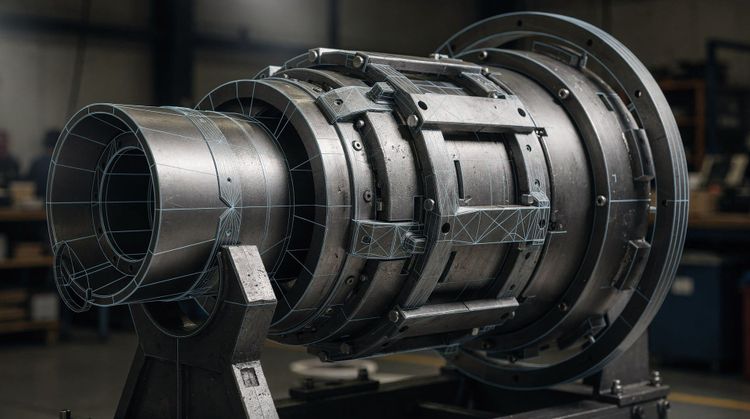
The Missile Ramp Runs Through the Motor Supplier
The Navy awarded a seven-year contract worth about $22.9 billion in mid-August to lift Tomahawk cruise missile production from
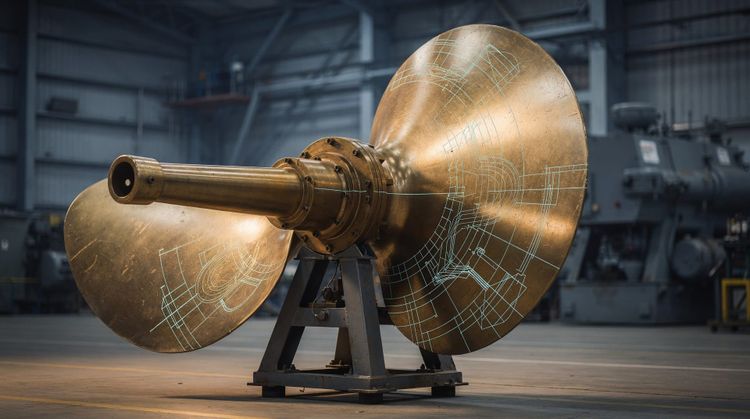
Repair Capacity Comes Before Hull Count
A presidential memorandum issued in mid-August directs the Department of War to restore capacity and competition to the maritime industrial base,
One Autonomy Stack, Two Economies
A publicly traded autonomous trucking company now sits inside three separate military ground vehicle efforts. It holds a Marine Corps contract to
Join The Strategic Reserve
Get encrypted weekly intelligence. No noise, just mission-critical data