
The Next Buyer of Military-Grade Drone Detection Is a City Hall
The Department of Homeland Security finalized a $500 million allocation through FEMA this year specifically for state and local counter-drone capability, with $250 million prioritized for fiscal 2026 ahead of major public events including the 2026 World Cup. That money does not go to the
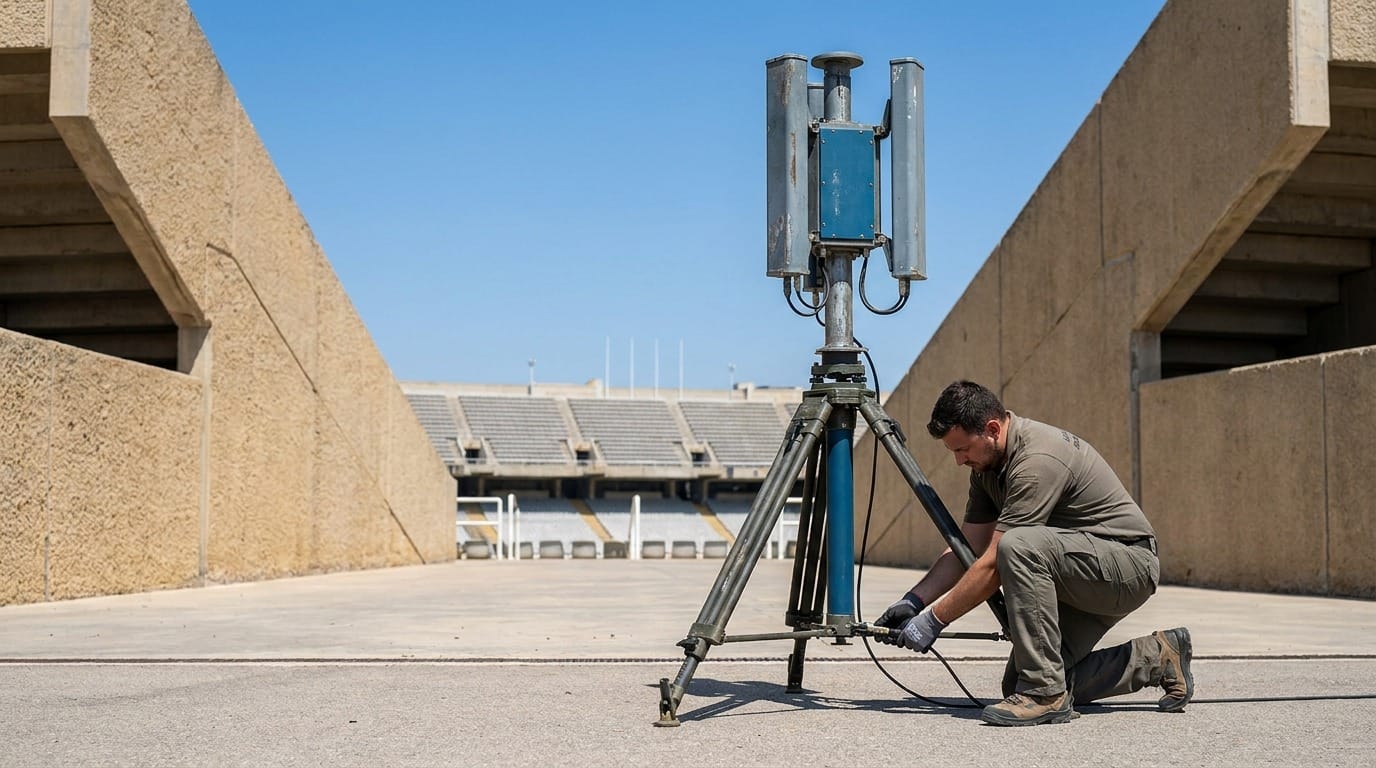
The Department of Homeland Security finalized a $500 million allocation through FEMA this year specifically for state and local counter-drone capability, with $250 million prioritized for fiscal 2026 ahead of major public events including the 2026 World Cup. That money does not go to the Pentagon or a defense prime directly, it goes to state and local governments and event organizers who need to detect and track unauthorized drones over a stadium, a transit hub, or a public gathering, using technology that traces its origins directly to the military counter-drone programs this newsletter has already covered.
This is the dual-use pivot running in the direction this newsletter flags least often: military-grade detection and tracking technology, developed and proven in a defense context, being funded for purely civilian public safety use through a civilian grant program rather than a defense contract. The same detect-classify-track sensor stack that watches a border or a military installation is now being paid for out of a disaster preparedness and public safety budget. DHS has also stood up a dedicated office specifically to coordinate drone and counter-drone policy across its own component agencies, a sign that this was becoming too big and too fragmented to manage as a side responsibility inside existing offices.
From the Battlefield to the Balance Sheet
A FEMA grant program is a fundamentally different demand channel than a Pentagon contract vehicle, because the buyer is not a single centralized customer but hundreds of individual state and local governments and event organizers each making their own purchasing decision within a federal funding framework. That structure rewards companies that can sell a packaged, relatively turnkey counter-drone system to a police department or a stadium operator who has no in-house expertise evaluating radar cross-section or radio frequency detection performance, rather than companies used to negotiating directly with a sophisticated military procurement office. Capital allocators should treat this as an entirely separate go-to-market motion from the defense contracts this newsletter usually covers, one that rewards sales and distribution capability as much as raw technical performance, since the buyer pool is orders of magnitude larger and less technically sophisticated than a defense acquisition office.
The Dual-Use Reality Check
Unlike most of the technology this newsletter tracks, where the defense application comes first and the civilian market follows years later, counter-drone detection for public events and critical infrastructure is happening on almost the same timeline as the underlying military development, because the threat, an unauthorized drone over a crowd or a sensitive facility, is functionally identical whether the location is a forward operating base or a football stadium. The same AeroVironment and DHS-backed systems fielded for military counter-drone missions are the direct technical ancestors of what a stadium security team will deploy for the World Cup, with only the legal authority to jam or intercept, not the underlying detection technology, differing meaningfully between the two contexts. That compressed timeline is itself notable, since it suggests the civilian market for this category is not waiting for the technology to mature and trickle down, it is buying essentially the same generation of hardware in near real time.
The Capital Signal
The signal is that public safety and event security have become a large, federally funded demand channel for counter-drone technology in their own right, not a smaller afterthought to the defense market, and $500 million routed through FEMA to state and local governments is real money moving through a completely different procurement channel than anything else this newsletter tracks. Capital allocators should watch which companies build the sales and support infrastructure to serve hundreds of unsophisticated civilian buyers, not just the handful of companies with the best underlying detection technology, since distribution and ease of deployment will determine who actually captures this specific pool of federal money. A better sensor that a police department cannot install or operate without a specialist on staff loses to a merely adequate one a local technician can run.
Signal: The next big buyer of military-grade drone detection technology is not the Pentagon, it is the city hosting next year's biggest sporting event.
Marcus Cole, Top Margin
Drone Defense Is a Cost Curve Problem
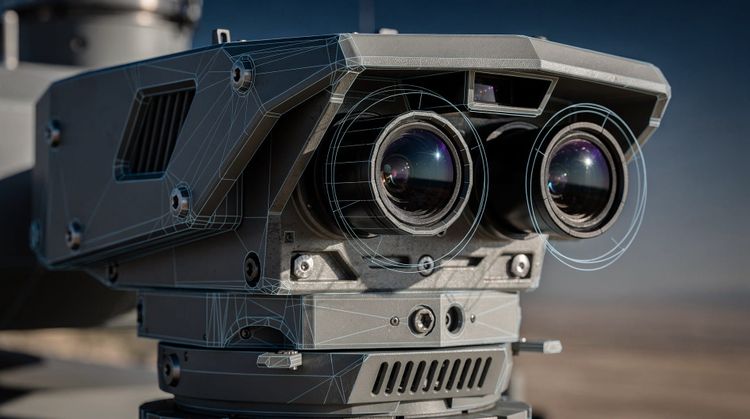
At the start of July the Army awarded AeroVironment a contract worth up to $500 million over three years, through Army Contracting
The Missile Ramp Runs Through the Motor Supplier
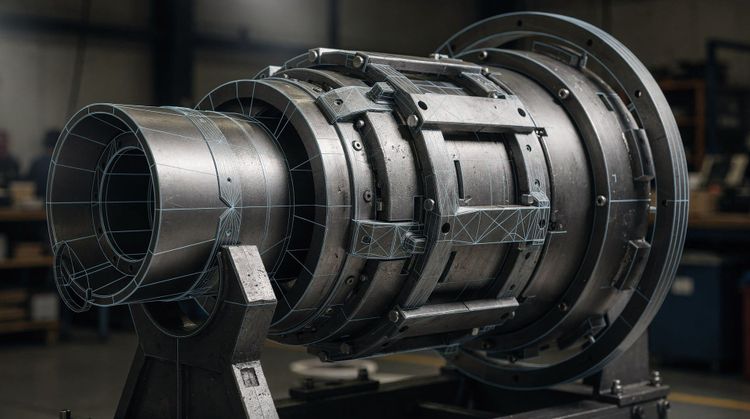
The Navy awarded a seven-year contract worth about $22.9 billion in mid-August to lift Tomahawk cruise missile production from

Repair Capacity Comes Before Hull Count
A presidential memorandum issued in mid-August directs the Department of War to restore capacity and competition to the maritime industrial base,
One Autonomy Stack, Two Economies
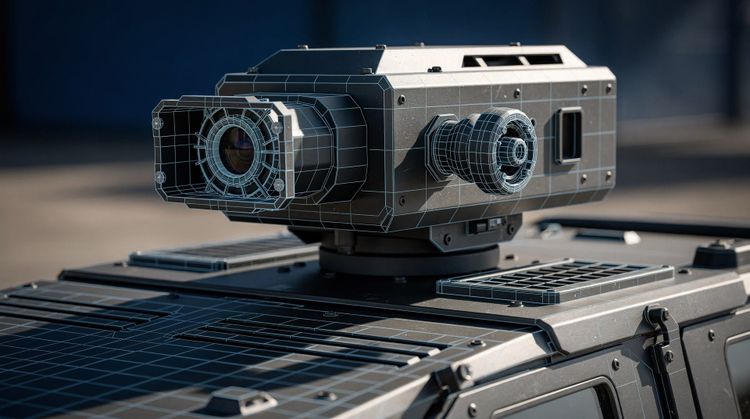
A publicly traded autonomous trucking company now sits inside three separate military ground vehicle efforts. It holds a Marine Corps contract to
Join The Strategic Reserve
Get encrypted weekly intelligence. No noise, just mission-critical data