
The Most Valuable Chip Is the One You Can Trace
In May, the Pentagon's Defense Microelectronics Activity awarded GlobalFoundries a new ten-year, $3.1 billion contract to manufacture secure chips for systems that fly, sail, and orbit. The award sits alongside a separate arrangement that gave Intel up to $3 billion to stand
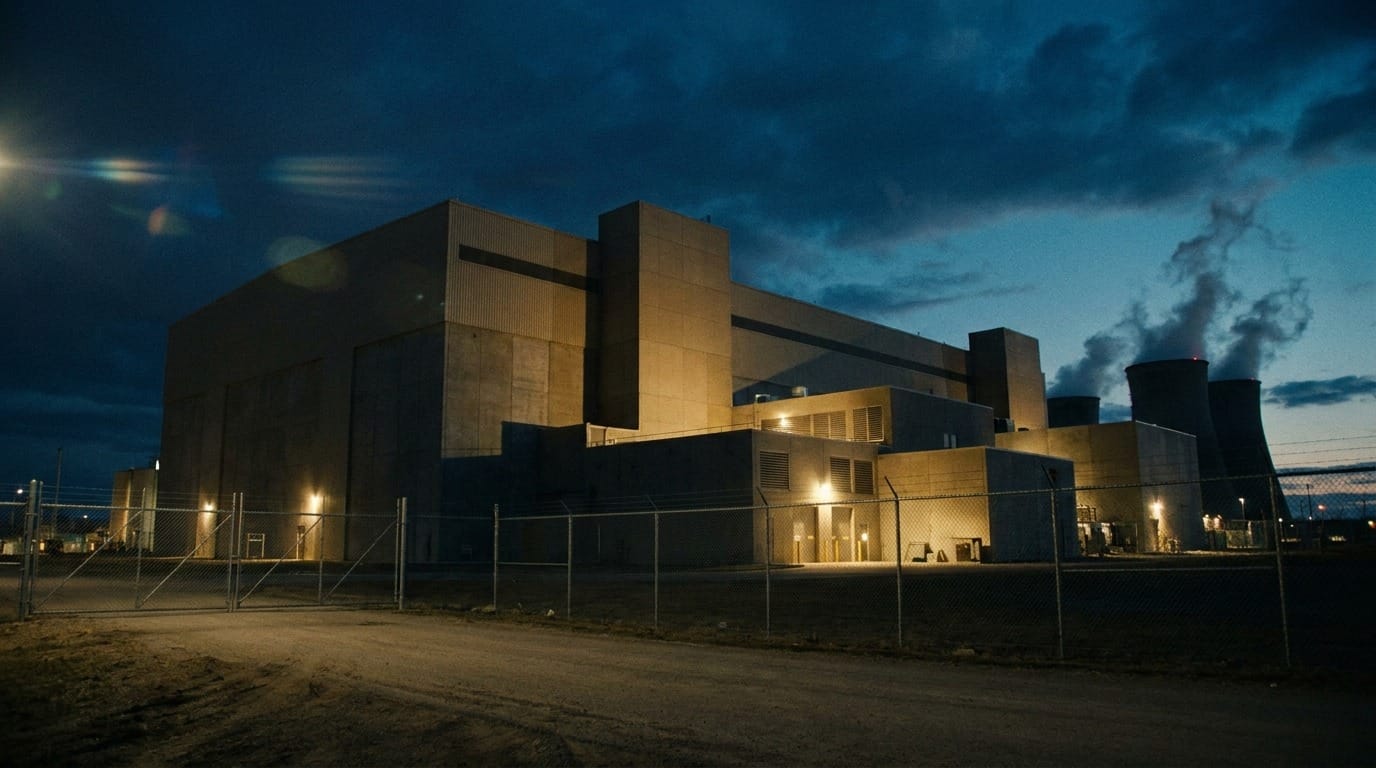
In May, the Pentagon's Defense Microelectronics Activity awarded GlobalFoundries a new ten-year, $3.1 billion contract to manufacture secure chips for systems that fly, sail, and orbit. The award sits alongside a separate arrangement that gave Intel up to $3 billion to stand up a Secure Enclave for advanced military chips inside its domestic fabs. Two of the largest names in American semiconductors are now, in effect, running dedicated production lines whose entire purpose is making sure the chips inside a missile guidance system or a satellite were never anywhere near a foreign adversary's supply chain.
That is a different kind of reshoring than a factory ribbon-cutting. A chip fab is one of the most capital-intensive and technically demanding facilities a country can build, and the United States let a large share of leading-edge and even mature-node capacity migrate overseas over two decades. Rebuilding a slice of it specifically for defense use is not a symbolic gesture, it is the government paying to guarantee that the most sensitive category of electronics never depends on a supply chain it does not fully control. The Trusted Access Program Office that oversees these contracts exists for exactly this reason, to certify that a given production line, not just a given company, meets the traceability bar a weapons system or a satellite requires.
From the Battlefield to the Balance Sheet
A defense-only chip contract looks small next to the commercial semiconductor market, but its economic function is disproportionate to its size. These awards are structured as long-duration, government-backed revenue, precisely the kind of demand signal that justifies building or retrofitting a facility to the exacting security and traceability standards a Trusted Foundry designation requires. Once a company has that certification and that facility running, it becomes the default supplier for an entire category of demand that cannot legally go anywhere else, because the requirement is not just a good chip, it is a verifiably domestic and secure one. That is closer to a regulated utility's economics than to a normal competitive semiconductor contract, and it explains why GlobalFoundries and Intel are willing to dedicate scarce fab capacity to a slice of the market that is small in unit volume but extremely durable in revenue.
The Dual-Use Reality Check
The equipment, cleanroom protocols, and workforce trained to produce secure, traceable chips for a submarine's sonar system or a satellite's control electronics are the same equipment, protocols, and workforce that produce trusted chips for critical civilian infrastructure, financial systems, medical devices, and any other application where a compromised or counterfeit chip is not an acceptable risk. The Trusted Foundry program has existed since 2004 precisely because defense was the first customer willing to pay for that verification, but the manufacturing discipline it built is now the same discipline any bank, hospital network, or utility company would want for its own most sensitive hardware. Every dollar spent hardening a domestic fab against supply chain risk for military use also builds a template, and often literal spare capacity, that a civilian customer with the same security concerns can eventually buy into.
The Capital Signal
The signal is that the reshoring conversation in semiconductors has moved past the CHIPS Act's broad manufacturing subsidies and into a narrower, security-driven layer of demand that pays a premium for verifiable trust rather than for the cheapest transistor. That is a smaller market than consumer or AI chips, but it is far stickier, because national security customers cannot shop price the way a smartphone maker can. Capital allocators should treat a company's Trusted Foundry or Secure Enclave designation as a durable moat rather than a one-time grant headline, since it converts into recurring defense and eventually adjacent civilian revenue for as long as the security requirement exists, which is to say indefinitely.
Signal: The most valuable chip in this market is not the fastest one, it is the one the government can prove was never touched by anyone it does not trust, and that proof is worth more than a decade of price competition ever could be.
Marcus Cole, Top Margin
Drone Defense Is a Cost Curve Problem
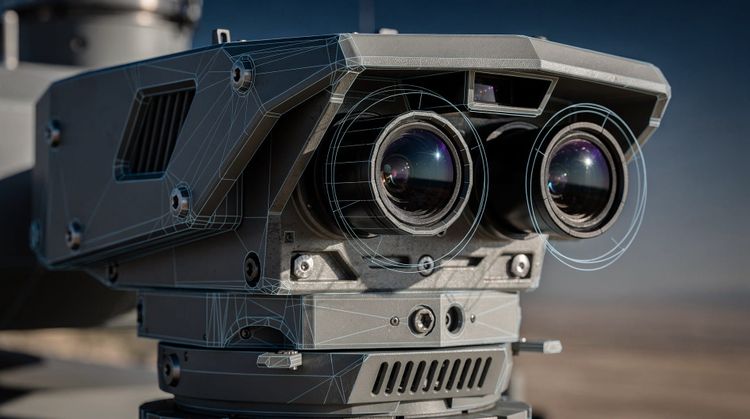
At the start of July the Army awarded AeroVironment a contract worth up to $500 million over three years, through Army Contracting
The Missile Ramp Runs Through the Motor Supplier
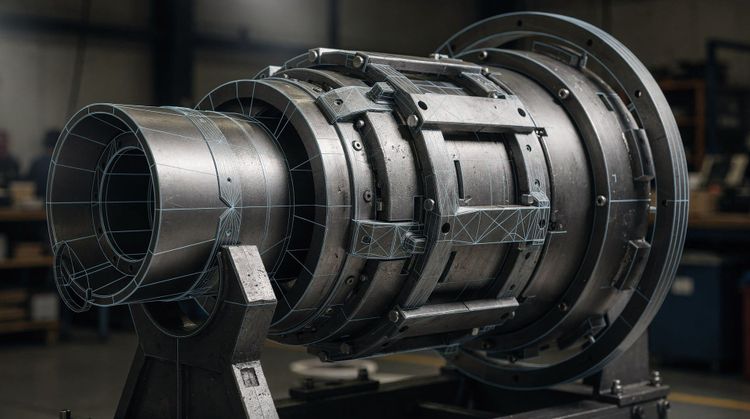
The Navy awarded a seven-year contract worth about $22.9 billion in mid-August to lift Tomahawk cruise missile production from

Repair Capacity Comes Before Hull Count
A presidential memorandum issued in mid-August directs the Department of War to restore capacity and competition to the maritime industrial base,
One Autonomy Stack, Two Economies
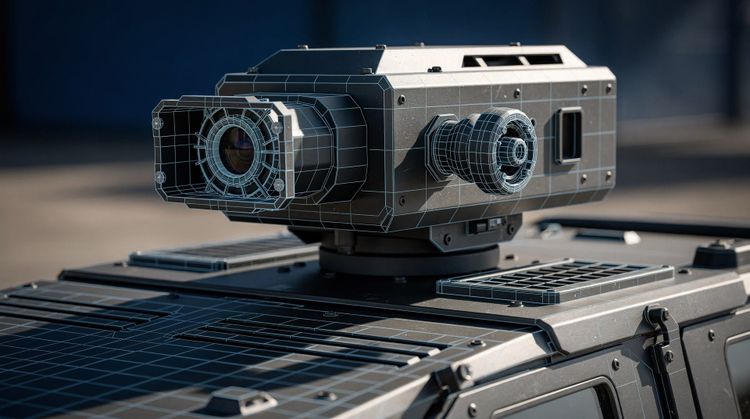
A publicly traded autonomous trucking company now sits inside three separate military ground vehicle efforts. It holds a Marine Corps contract to
Join The Strategic Reserve
Get encrypted weekly intelligence. No noise, just mission-critical data