
The Honest Timeline for Rebuilding Heavy Industry
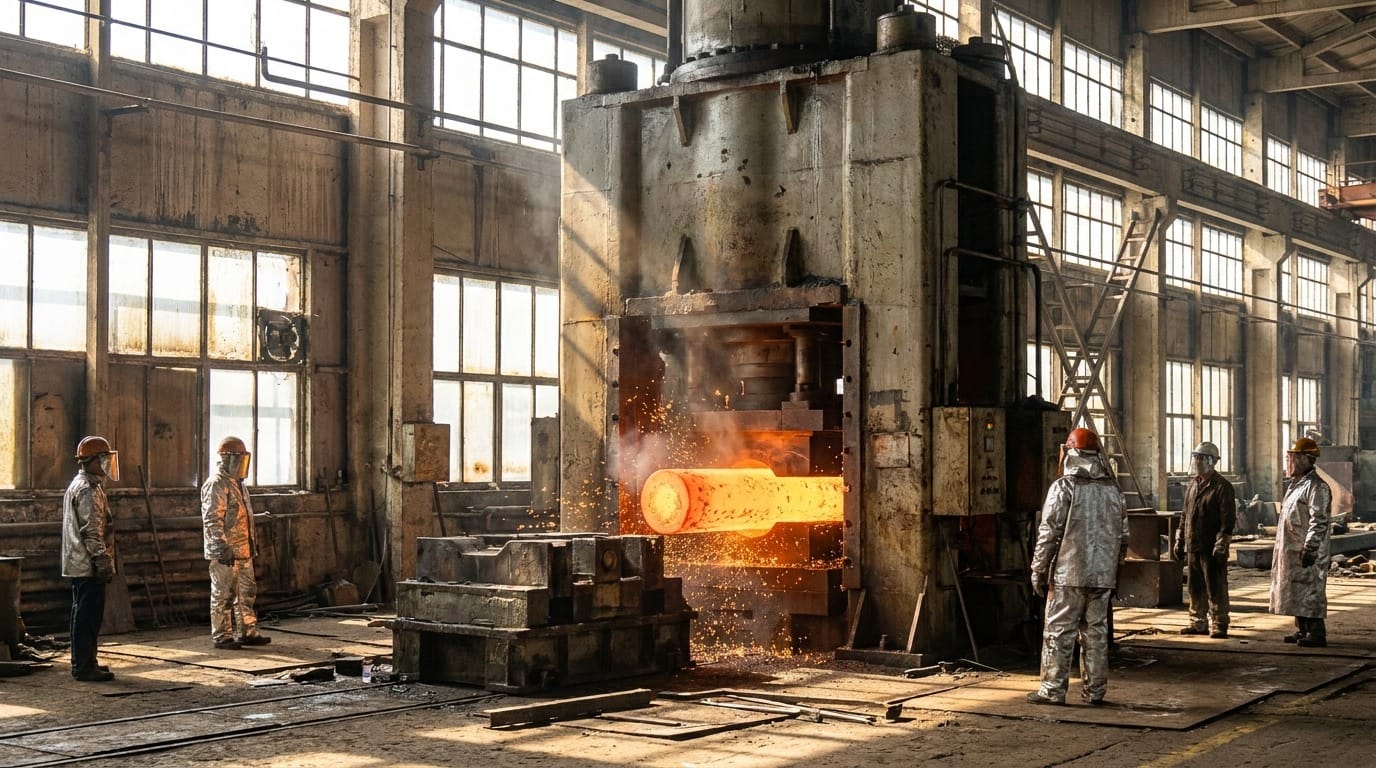
The Army's target is 100,000 rounds of 155mm artillery ammunition a month by the end of this year, up from a production base that struggled to hit a fraction of that a few years ago. Hitting that number has required expanding metal parts
The Army's target is 100,000 rounds of 155mm artillery ammunition a month by the end of this year, up from a production base that struggled to hit a fraction of that a few years ago. Hitting that number has required expanding metal parts manufacturing, load-assemble-pack facilities, and propellant production simultaneously, because a 155mm shell is not one factory's product, it is an assembly of components that each had their own separate, and separately underfunded, supply chain.
This is the least exciting category this newsletter covers and arguably the most revealing. A 155mm shell is not exquisite technology, it is a century-old artillery caliber, and the fact that scaling its production required a multi-year, multi-billion dollar industrial mobilization says more about how thin the underlying industrial base had gotten than any drone or satellite story does. Poland separately committed $665 million to grow its own domestic output roughly fivefold by 2027, and Rheinmetall is building an entirely new production line in Latvia, which tells you this capacity shortfall was never a uniquely American problem.
From the Battlefield to the Balance Sheet
Unlike a drone or a satellite, a 155mm shell has almost no room for a software or algorithmic shortcut to solve a capacity problem, it is fundamentally a metal-forming, chemical, and assembly-line challenge, which makes this one of the purest tests of whether American heavy industrial capacity can actually be rebuilt rather than just funded. The production chain runs through specialized steel forgings, explosive and propellant chemical plants, and final assembly lines, each of which atrophied over decades of lower demand and consolidation. Capital allocators should read the multi-year timeline required to hit 100,000 rounds a month as the realistic benchmark for how long any heavy industrial reshoring effort actually takes, since this is a far simpler manufactured product than a submarine or a satellite and it still required years of sustained investment to scale. If the simplest item in the industrial base takes this long, the more complex ones this newsletter covers deserve a correspondingly longer runway before anyone judges them a failure.
The Dual-Use Reality Check
The specific munition itself has no civilian market, but the underlying capacity being rebuilt, precision metal forging, explosive and propellant chemistry, high-volume assembly line manufacturing, is exactly the industrial skill base that also underpins civilian mining explosives, industrial chemical manufacturing, and precision metal parts production for aerospace and heavy equipment. A forging facility retooled to hit artillery shell casings at scale does not forget how to forge other steel components once the contract ends, and the propellant and explosives chemistry expertise rebuilt for this program has direct application in commercial mining and demolition. The reshoring investment here is less about the shell itself and more about not letting an entire tier of heavy industrial capability, forging, energetic materials, precision assembly, disappear from the domestic economy altogether.
The Capital Signal
The signal is that basic heavy manufacturing capacity, not exotic new technology, remains the slowest and most expensive category to rebuild once it has been allowed to shrink, and the multi-year timeline to scale a century-old munition should temper expectations for how quickly any of the flashier categories this newsletter covers, submarines, satellites, hypersonics, can actually scale even with unlimited budget attention. Capital allocators should treat the companies operating the unglamorous middle of this supply chain, forgings, propellants, load-assemble-pack facilities, as a durable, government-anchored industrial base play, even though none of them will ever generate the kind of headline this newsletter's flashier stories do. The order books for that unglamorous middle of the supply chain are already stretching years out, which is a more reliable predictor of revenue than almost anything a venture-backed drone company can currently promise.
Signal: If a hundred-year-old artillery shell took years to scale, that is the honest timeline for rebuilding heavy industry, not the accelerated one everyone hopes for.
Marcus Cole, Top Margin

Drone Defense Is a Cost Curve Problem
At the start of July the Army awarded AeroVironment a contract worth up to $500 million over three years, through Army Contracting
The Missile Ramp Runs Through the Motor Supplier
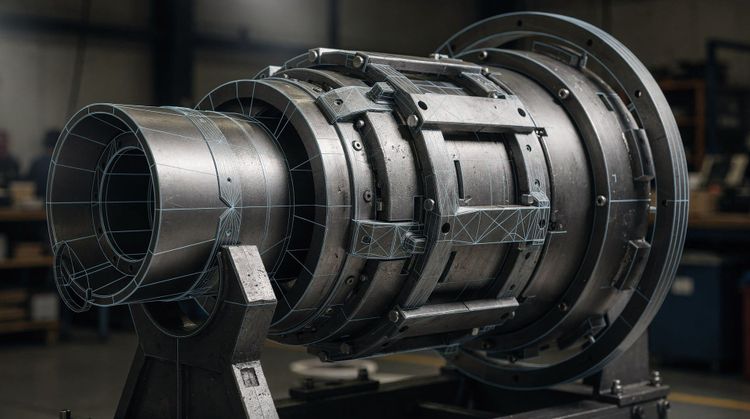
The Navy awarded a seven-year contract worth about $22.9 billion in mid-August to lift Tomahawk cruise missile production from
Repair Capacity Comes Before Hull Count
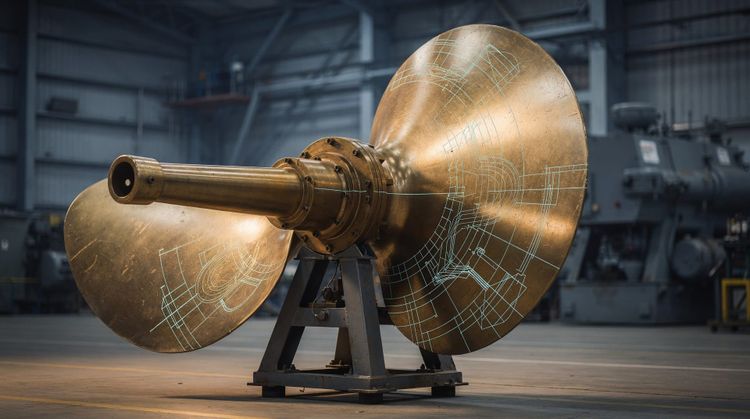
A presidential memorandum issued in mid-August directs the Department of War to restore capacity and competition to the maritime industrial base,
One Autonomy Stack, Two Economies
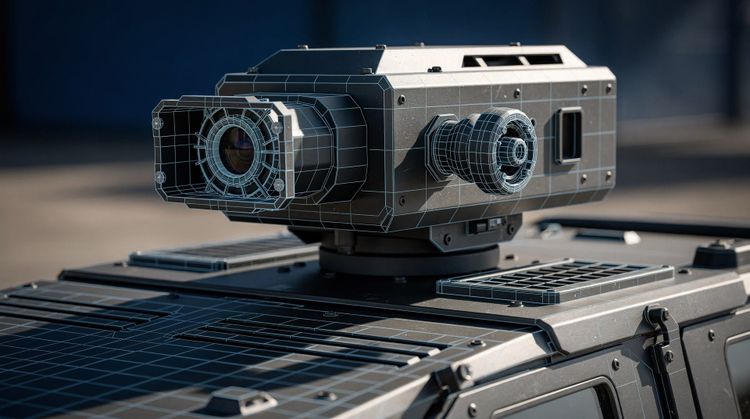
A publicly traded autonomous trucking company now sits inside three separate military ground vehicle efforts. It holds a Marine Corps contract to
Join The Strategic Reserve
Get encrypted weekly intelligence. No noise, just mission-critical data