
The Hardware Reality Check: Why AI Drone Swarms Are Reshaping American Wealth
The American military is moving away from costly legacy platforms, pivoting toward large numbers of low-cost autonomous systems. Because of this massive shift, a historic restructuring of the defense industrial base is underway right now. This change demands a strong domestic supply chain, creating a
The American military is moving away from costly legacy platforms, pivoting toward large numbers of low-cost autonomous systems. Because of this massive shift, a historic restructuring of the defense industrial base is underway right now. This change demands a strong domestic supply chain, creating a unique chance for investors to protect their wealth by backing real industrial strength.
The Dawn of Affordable Mass: How Autonomous Swarms Are Reshaping American Defense
The global landscape shifts fast, forcing us to rethink how we project power and protect our wealth at home. For decades, American defense relied on making a few very costly military platforms, which created a weak spot when facing practical foes who value sheer volume over perfect engineering. However, recent military tests show a massive pivot toward affordable mass, deploying large numbers of low-cost drones simultaneously to overwhelm enemy defenses. By building smart tech into cheap aircraft, our troops prove they can strike targets and run complex missions without constant human input. This change is not just a battlefield upgrade, because it represents a total overhaul of our defense industry that impacts Main Street America. As these advanced tools move from labs to the real world in months, they force a massive return of vital manufacturing to our shores. This shift ensures that American wealth remains safe behind undeniable American industrial might, securing our future against global shocks. Smart targeting lets these uncrewed assets adjust to fast changes in combat, removing the mental load from troops while boosting success in tough zones. Furthermore, this focus on physical hardware creates a strong demand for domestic factories, allowing them to hire more workers and build stronger communities. In the end, this new drone doctrine keeps our military edge sharp, providing the rock-solid stability our domestic markets need to thrive over the long haul.
The Hardware Reality Check: Decentralized Intelligence at the Tactical Edge
We must look past the software hype in the financial media to ask a grounded question about our true readiness. Can America build and deploy these systems under harsh combat conditions without relying on fragile foreign parts? The reality on the ground is that modern war zones are packed with signal jamming, which means any weapon relying on remote networks will fail when foes cut the link. To fix this critical flaw, domestic defense firms are focusing on last-mile autonomy, embedding smart tech right onto the physical drone hardware. This onboard intelligence allows the drone to finish missions on its own, ensuring success even when all outside contact is lost. During recent overseas tests, ground forces used autonomous drones with onboard sensors and local choices to hit targets after losing their main network connection. Because these platforms use simple and light materials, we can build them at a massive scale right here at home. This local production bypasses the fragile foreign supply chains that have choked our military readiness during past crises, creating a much stronger defense posture. This on-device intelligence changes modern warfare, letting a single drone shift from a strike role to a spy asset in seconds. The hardware reality drives a huge and long-term demand for domestic microchips, special sensors, and advanced motors. This surging demand creates a powerful economic engine, bringing life back to factory towns across the American heartland. By valuing physical toughness and independent action over weak network links, the defense sector builds a strong shield. This shield protects both our troops and our financial interests from foreign threats, securing our national legacy.
From Software to Kinetic Impact: Multiplying Combat Power Through Swarm Technology
The true power of these new defense tools becomes clear when we see how smart software multiplies the combat force of single service members. In recent live-fire tests on domestic ranges, a single human operator commanded an entire swarm of cheap drones, directing them to strike multiple targets with perfect timing. This breakthrough makes the old one-to-one pilot ratio obsolete, because the autonomous swarm engine handles all the complex flight tasks. The swarm manages navigation and crash avoidance, allowing the human boss to focus on broad goals and rules of engagement. By arming these coordinated swarms with special munitions, small infantry units can now generate massive firepower, which once required heavy artillery support or vulnerable manned aircraft. This autonomous power is being built into our current fire support networks, ensuring these low-cost systems work with our legacy weapons rather than acting as isolated science projects. The economic impact of this shift is profound, as the military pivots toward buying vast amounts of affordable smart weapons. This massive shift drives significant federal funding into specialized domestic manufacturing sectors, creating long-term growth for American workers. The ability to project overwhelming autonomous mass deters potential foes from starting conflicts, while creating a strong industrial base that supports the financial safety of investors. By shrinking the kill chain and speeding up strategic choices beyond human speed, these networked swarms guarantee our tactical edge. At the same time, they stimulate robust and lasting industrial growth right here at home, proving that true security starts on the factory floor.
Rapid Prototyping and the Rebirth of the Defense Industrial Base
To grasp the size of this industrial change, we must understand how the military is rewriting its rulebook to match the speed of modern tech. In the past, the defense buying process was a slow maze that took decades to field a single new weapon, leaving our troops waiting for vital upgrades. Today, advanced strike drones move from early design concepts to active flight testing in just over a year, proving that American engineering can move at lightning speed. This aggressive push for rapid prototyping forces the entire defense industrial base to become far more agile, adapting to new threats as they emerge. Military leaders now update field manuals and combat rules based on real-world data gathered from active deployment zones, ensuring our tactics remain sharp. Because the armed forces prioritize the fast fielding of new tools over the endless chase for perfect engineering, there is a surging demand for domestic contractors. These builders must fast-track modular parts and simple adaptable airframes, which opens the door for fresh innovation. This dynamic setting empowers smaller engineering firms and mid-tier factories to compete for massive government contracts, breaking the monopoly of legacy defense giants. Fostering a healthier and more competitive market for the American economy, this shift brings wealth back to local communities. As the military expands its focus to include defenses against hostile drones, we are seeing the birth of a brand-new industry. This sector is dedicated to defeating autonomous threats through advanced electronic warfare and high-powered energy weapons. This force-wide overhaul ensures that American soldiers always have the best tools, while guaranteeing that substantial federal funding flows straight into rebuilding our domestic factory base.
From Pentagon to Portfolio: Investing in the Autonomous Future
Moving from the planning rooms of the Pentagon straight to your personal investment portfolio, the rapid spread of autonomous defense systems presents a powerful chance for long-term wealth protection. For the pragmatic investor focused on securing their family future against global chaos, the massive federal push toward drone dominance serves as a reliable economic signal. The military is shifting its budget away from vulnerable legacy platforms and toward large numbers of affordable tactical assets, creating a massive wave of new funding. Because of this shift, a massive amount of capital is flowing into the companies that make the foundational hardware for these systems. This macro-economic trend has a direct benefit for domestic makers of advanced microchips, special optical sensors, and light composite materials, which are all essential for building autonomous swarms at a commercial scale. As the Department of Defense works to end its dangerous reliance on foreign supply chains, we are witnessing a historic return of American manufacturing. This reshoring effort will create sustainable jobs and generate robust corporate earnings for decades to come, providing a safe haven for your hard-earned capital. By aligning your investment strategy with this transition toward software-defined kinetic power and local production, you can shield your wealth from the wild swings of broader consumer markets. The key to successful sovereign wealth defense lies in recognizing that true national security is tied to industrial strength, meaning the domestic companies building the physical infrastructure of tomorrow are set for massive growth. By focusing on tangible assets and verified tech capabilities rather than chasing speculative software trends, Americans can build a generational legacy. This legacy will remain anchored in the undeniable reality of American industrial resurgence, protecting your family from future economic storms. The integration of smart tech into expendable strike platforms is not just a revolution in modern warfare, because it also represents a fundamental restructuring of the global economic order that favors domestic resilience and pragmatic hardware investing.
Securing the Generational Legacy Through Industrial Strength
As we navigate this complex era of rapid tech growth and shifting global power, it is vital for every citizen to remain grounded in tangible reality. We must focus on what our nation can produce and deploy, rather than getting lost in abstract academic theories. The successful recent tests of autonomous strike drones and intelligent swarming systems prove that American engineering remains the gold standard, which is crucial for projecting power and maintaining global stability in a hostile world. However, this tech supremacy can only last if we continue to rebuild our domestic industrial base, ensuring that every critical part of these advanced weapons is built safe within our own borders. By embracing the pragmatic concept of affordable mass and decentralized smart tech, our military is creating a fierce and adaptable force. This force is perfect for the unpredictable conflicts of the future, while driving a massive economic revival across the country. For the strategic insider and the everyday American patriot, this ongoing change offers a clear roadmap, showing us how to protect our national sovereignty and secure our collective financial prosperity for generations to come. As we look toward the horizon, we must continue to demand strict accountability and real results from our defense contractors and elected officials. We must ensure that the endless pursuit of military innovation always serves to strengthen the foundational economic pillars of our republic, keeping our nation strong from the inside out. Maintain your focus on hard assets, support the reshoring of critical supply chains, and remember the ultimate truth about global power. True and lasting peace is only achieved through overwhelming and undeniable industrial and military strength, which starts right here at home.

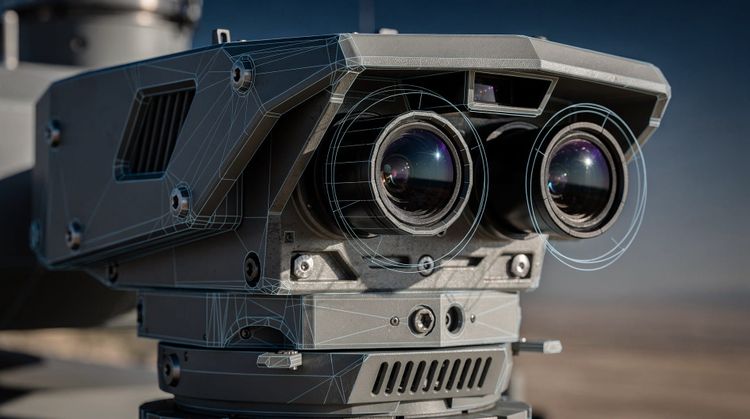
Drone Defense Is a Cost Curve Problem
At the start of July the Army awarded AeroVironment a contract worth up to $500 million over three years, through Army Contracting
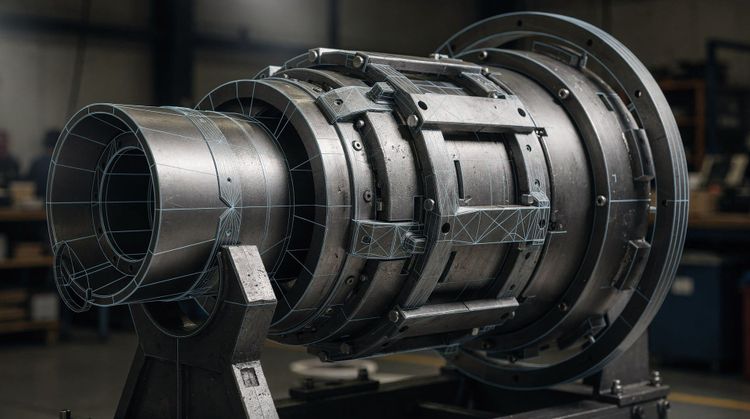
The Missile Ramp Runs Through the Motor Supplier
The Navy awarded a seven-year contract worth about $22.9 billion in mid-August to lift Tomahawk cruise missile production from

Repair Capacity Comes Before Hull Count
A presidential memorandum issued in mid-August directs the Department of War to restore capacity and competition to the maritime industrial base,
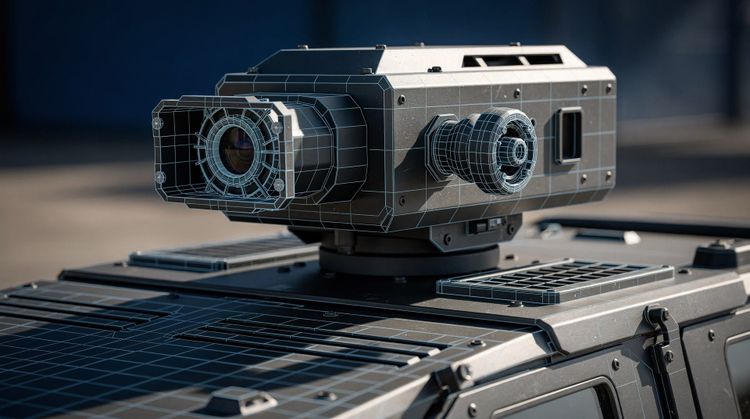
One Autonomy Stack, Two Economies
A publicly traded autonomous trucking company now sits inside three separate military ground vehicle efforts. It holds a Marine Corps contract to
Join The Strategic Reserve
Get encrypted weekly intelligence. No noise, just mission-critical data