
Funding the Fix and the Replacement at the Same Time
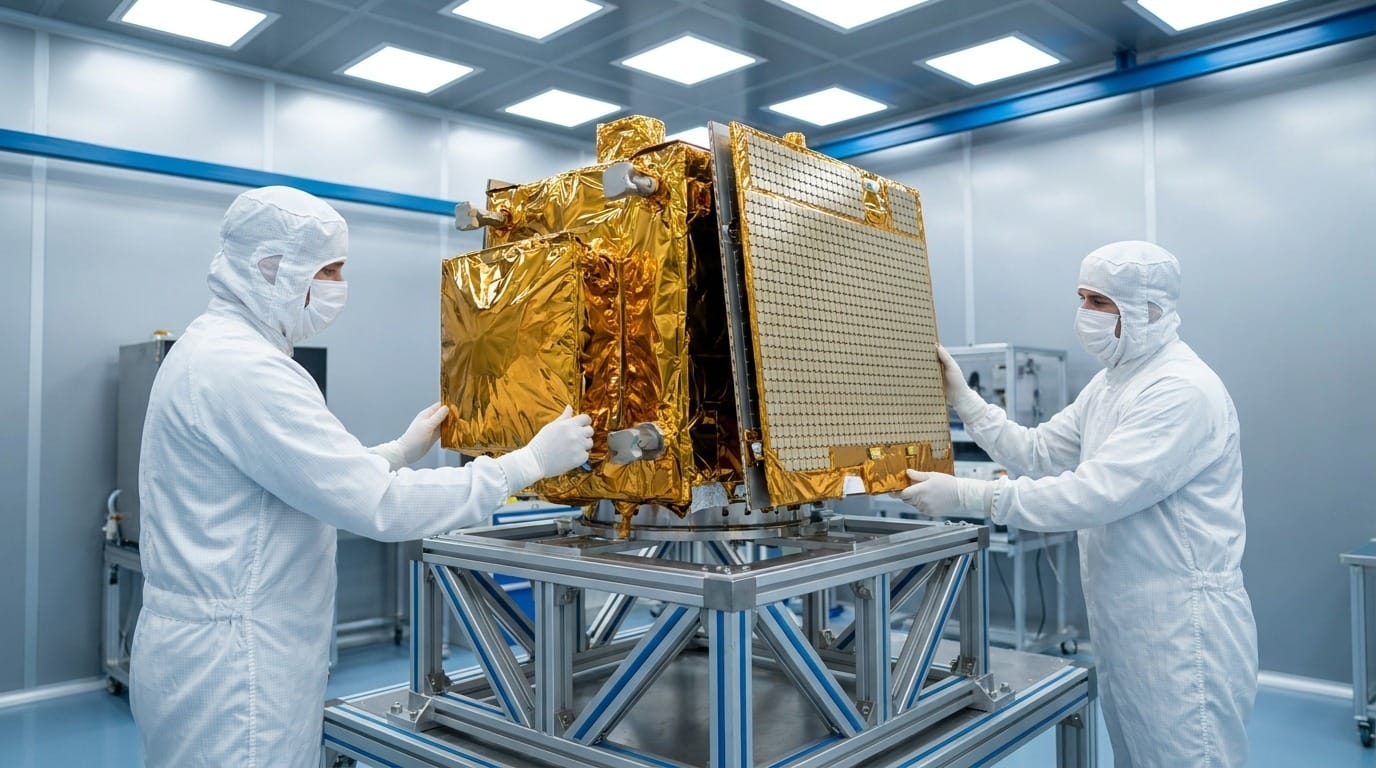
Lockheed Martin secured a $514 million Space Force contract this year to build two new GPS IIIF satellites carrying an anti-jam signal more than sixty times more powerful than earlier generations. Northrop Grumman separately won a contract for a jam-resistant satellite of its own,
Lockheed Martin secured a $514 million Space Force contract this year to build two new GPS IIIF satellites carrying an anti-jam signal more than sixty times more powerful than earlier generations. Northrop Grumman separately won a contract for a jam-resistant satellite of its own, and the Space Force has been pairing that hardware push with a $105 million award to modernize the ground control systems that actually operate the constellation. A Secure World Foundation report this year found that thirteen nations now have at least some capability to jam or attack satellites, and GPS jamming incidents have been climbing alongside that trend, a slow-moving but steady rise rather than a single dramatic event.
This is the opposite approach to the one this newsletter covered a few weeks ago in quantum navigation, where companies are racing to build sensors that do not need GPS at all. Here, the Space Force is spending to make the existing GPS constellation itself far harder to jam or spoof in the first place. Both bets are being funded at the same time, because nobody yet knows whether it will be cheaper to harden the signal or to stop depending on it, and the two approaches are not mutually exclusive so much as insurance policies against different failure modes.
From the Battlefield to the Balance Sheet
A satellite constellation upgrade cycle takes years and billions of dollars regardless of which contractor wins, so the real capital story is not any single award but the fact that GPS modernization has become a recurring, multi-vendor line item rather than an occasional replacement program. Lockheed and Northrop are both getting funded in parallel for competing hardened satellite designs, the same hedge-across-vendors pattern this newsletter has now tracked in drones, lasers, border towers, and quantum sensors. Capital allocators should note that the ground control modernization contract matters just as much as the satellites themselves, because a jam-resistant satellite is only as useful as the ground infrastructure that can actually command it and process its signal under attack.
The Dual-Use Reality Check
Every GPS receiver in a commercial airliner, a container ship, a delivery truck fleet, or a smartphone benefits directly from a more jam-resistant signal at the satellite level, with no additional hardware or software required on the receiving end. That makes this particular resilience investment unusually frictionless in its civilian spillover compared to almost anything else this newsletter covers, since the anti-jam improvement lives entirely in space and in the ground control network, and every existing GPS-dependent device on the planet inherits the benefit automatically the moment the new satellites go live. Commercial aviation and maritime shipping, both of which have quietly dealt with rising GPS interference near several contested regions in recent years, are direct beneficiaries of a signal upgrade they did not have to pay for or engineer around.
The Capital Signal
The signal is that position, navigation, and timing has become a two-front investment category, hardening the existing satellite infrastructure on one side and building satellite-independent alternatives like quantum sensing on the other, and the government is funding both simultaneously rather than picking a single strategy. Capital allocators should treat that as confirmation that PNT resilience is now a durable, multi-year budget priority rather than a one-time reaction to a specific incident, since the spending is diversified across approaches the way a portfolio manager would hedge an uncertain outcome. Watch for the ground control and signal processing side of this buildout to get less attention than the satellites themselves, even though it is arguably the more durable business, since ground infrastructure gets upgraded on a slower cycle than any single spacecraft's operational life, which makes the software and control-system contracts a longer-duration bet than any individual satellite award.
Signal: The government is not betting on one way to fix GPS, it is funding the fix and the replacement at the same time.
Marcus Cole, Top Margin

Drone Defense Is a Cost Curve Problem
At the start of July the Army awarded AeroVironment a contract worth up to $500 million over three years, through Army Contracting
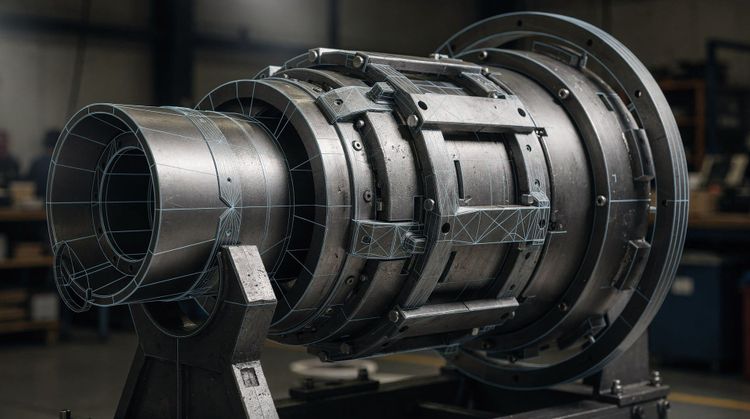
The Missile Ramp Runs Through the Motor Supplier
The Navy awarded a seven-year contract worth about $22.9 billion in mid-August to lift Tomahawk cruise missile production from

Repair Capacity Comes Before Hull Count
A presidential memorandum issued in mid-August directs the Department of War to restore capacity and competition to the maritime industrial base,

One Autonomy Stack, Two Economies
A publicly traded autonomous trucking company now sits inside three separate military ground vehicle efforts. It holds a Marine Corps contract to
Join The Strategic Reserve
Get encrypted weekly intelligence. No noise, just mission-critical data