
Automating the Hardest, Ugliest Mile Left
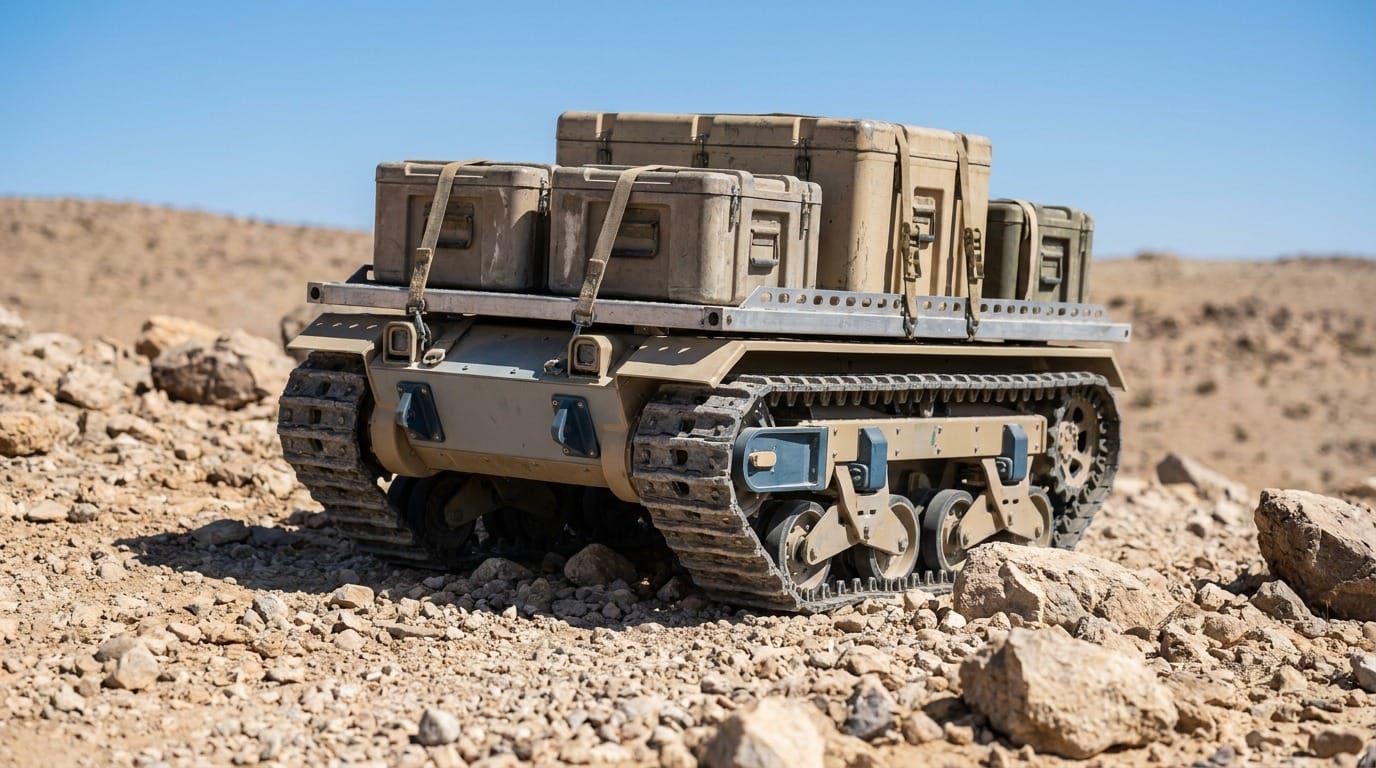
The Army activated a new command in February, the Capability Program Executive Office for Mission Autonomy, and its first major solicitation is about as unglamorous as procurement gets: an unmanned ground vehicle to haul supplies and evacuate casualties across what the Army calls the last tactical
The Army activated a new command in February, the Capability Program Executive Office for Mission Autonomy, and its first major solicitation is about as unglamorous as procurement gets: an unmanned ground vehicle to haul supplies and evacuate casualties across what the Army calls the last tactical mile, the final stretch of terrain closest to the front line where the risk to a human driver is highest. American Rheinmetall picked up an 18-month contract this year to develop a hybrid-powered version, and a separate program called Dire Wolf, built on an existing robotic combat vehicle chassis, is aiming to move thousands of pounds of supplies without a person behind the wheel.
This is the least glamorous corner of the autonomy buildout this newsletter covers, no lasers, no swarms, no dramatic footage, and that is exactly why it matters. Logistics is where wars are actually won or lost on schedule, and the last mile of any supply chain is disproportionately expensive and dangerous precisely because it cannot be automated with the easy tools that work everywhere else. Every category this newsletter has covered so far, drones, lasers, satellites, ships, has an easier version of the automation problem than this one.
From the Battlefield to the Balance Sheet
Every other logistics automation story this newsletter has covered, autonomous trucking, autonomous ships, warehouse robotics, works because the terrain is relatively structured: a highway, open water, a warehouse floor. The last tactical mile is the opposite, unstructured terrain, degraded communications, and a real chance the vehicle takes fire, which is exactly why it has resisted automation until multiple companies are now getting funded in parallel to solve it. Capital allocators should note that a natural-language interface is part of this same procurement push, letting a soldier direct the robot with spoken commands rather than a specialized control console, because a system that requires a dedicated operator defeats the purpose of removing a person from a dangerous task in the first place. The winner in this category will be judged on reliability in genuinely difficult conditions, not on a demo reel.
The Dual-Use Reality Check
An unmanned ground vehicle that can navigate unstructured terrain, maintain a communications link under degraded conditions, and carry a stable load without a driver solves a problem that shows up well beyond a battlefield: disaster response teams reaching a site a truck cannot access, mining operations moving material through terrain too dangerous for a human operator, and utility companies servicing infrastructure in remote or hazardous locations all need the exact same capability. The casualty evacuation requirement in particular, moving an injured person without a human driver exposed to the same danger, maps directly onto remote medical evacuation in commercial settings like offshore energy platforms or backcountry operations where getting a vehicle to an injured worker is often the hardest part of the response. A company that proves this works for the Army has proof of concept for a market well outside defense.
The Capital Signal
The signal is that the autonomy buildout has moved past the easy terrain and into the hardest, least structured environments left, which is a much harder engineering problem but also a much more defensible one, since a system proven to work in degraded, unstructured, contested conditions is not easily replicated by a competitor that only tested on a highway or a warehouse floor. Capital allocators should treat progress on the last tactical mile as a leading indicator for the broader unstructured-terrain robotics category, civilian and military alike, since whoever solves the hardest version of this problem first has cleared a bar most competitors have not even attempted. That durability is worth more than the size of any single Army contract, because it is genuinely difficult for a slower-moving competitor to catch up once the hardest engineering problem has already been solved.
Signal: The easy automation problems are mostly solved, and the money is now chasing whoever can automate the hardest, ugliest mile left.
Marcus Cole, Top Margin
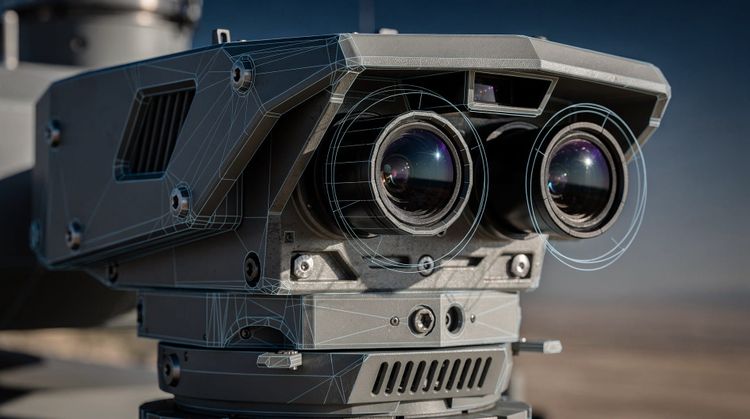
Drone Defense Is a Cost Curve Problem
At the start of July the Army awarded AeroVironment a contract worth up to $500 million over three years, through Army Contracting
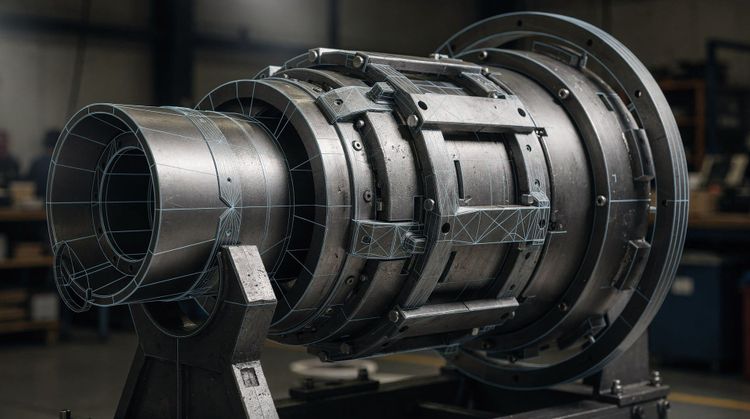
The Missile Ramp Runs Through the Motor Supplier
The Navy awarded a seven-year contract worth about $22.9 billion in mid-August to lift Tomahawk cruise missile production from
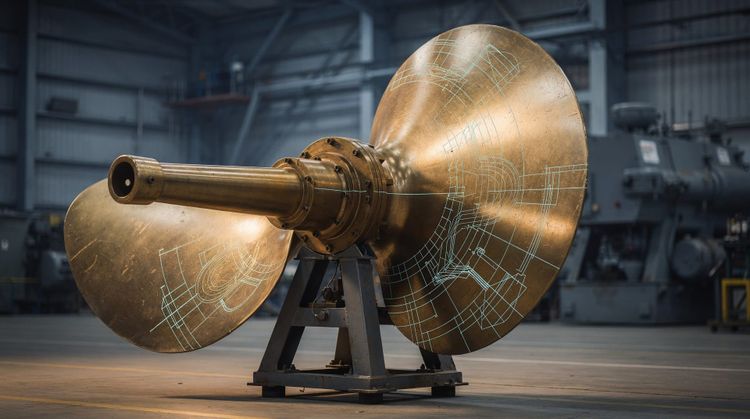
Repair Capacity Comes Before Hull Count
A presidential memorandum issued in mid-August directs the Department of War to restore capacity and competition to the maritime industrial base,
One Autonomy Stack, Two Economies
A publicly traded autonomous trucking company now sits inside three separate military ground vehicle efforts. It holds a Marine Corps contract to
Join The Strategic Reserve
Get encrypted weekly intelligence. No noise, just mission-critical data