
When a Valuation Doubles Twice in One Year
In May, Anduril Industries raised $5 billion at a $61 billion valuation, doubling its price tag from the year before. By late July, reporting emerged that the company is already in talks to raise again, this time at a valuation north of $100 billion. Two months
In May, Anduril Industries raised $5 billion at a $61 billion valuation, doubling its price tag from the year before. By late July, reporting emerged that the company is already in talks to raise again, this time at a valuation north of $100 billion. Two months between an already-record round and a conversation about nearly doubling it again is not normal financing behavior. It is a sign of how fast capital is repricing an entire category of company that most of Wall Street ignored a decade ago.
Anduril is not raising this money to survive. It doubled revenue in 2025 to roughly $2.2 billion and says the new capital is earmarked for manufacturing capacity, research, and infrastructure, not working capital to stay afloat. That distinction separates this financing cycle from prior defense tech booms that were mostly about grants and R&D contracts. This one is about building factories, and factories are a much larger and slower commitment than a research grant, which is exactly why investors are willing to pay up for the company that can actually deliver at scale rather than just prototype well.
From the Battlefield to the Balance Sheet
Venture investors have committed more than $14.6 billion to military, national security, and law enforcement technology companies in the first five months of 2026 alone, already surpassing the full-year record set in 2025. Anduril's repricing is the most visible marker of that flow, but it is not an isolated event. Money that used to sit on the sidelines of defense, waiting for a handful of legacy primes to win the next multi-decade program, is now willing to underwrite a nine-year-old company at a valuation that assumes it becomes one of the largest industrial manufacturers in the country. That is a bet on manufacturing execution, not just software or algorithms, and it explains why the new capital is going toward factories rather than headcount in a research lab. Capital allocators should read the speed of this repricing as much as the size of it: a company does not attract serious interest in tripling its valuation within ten weeks of its last round unless multiple large investors are independently concluding that the category is under-priced.
The Dual-Use Reality Check
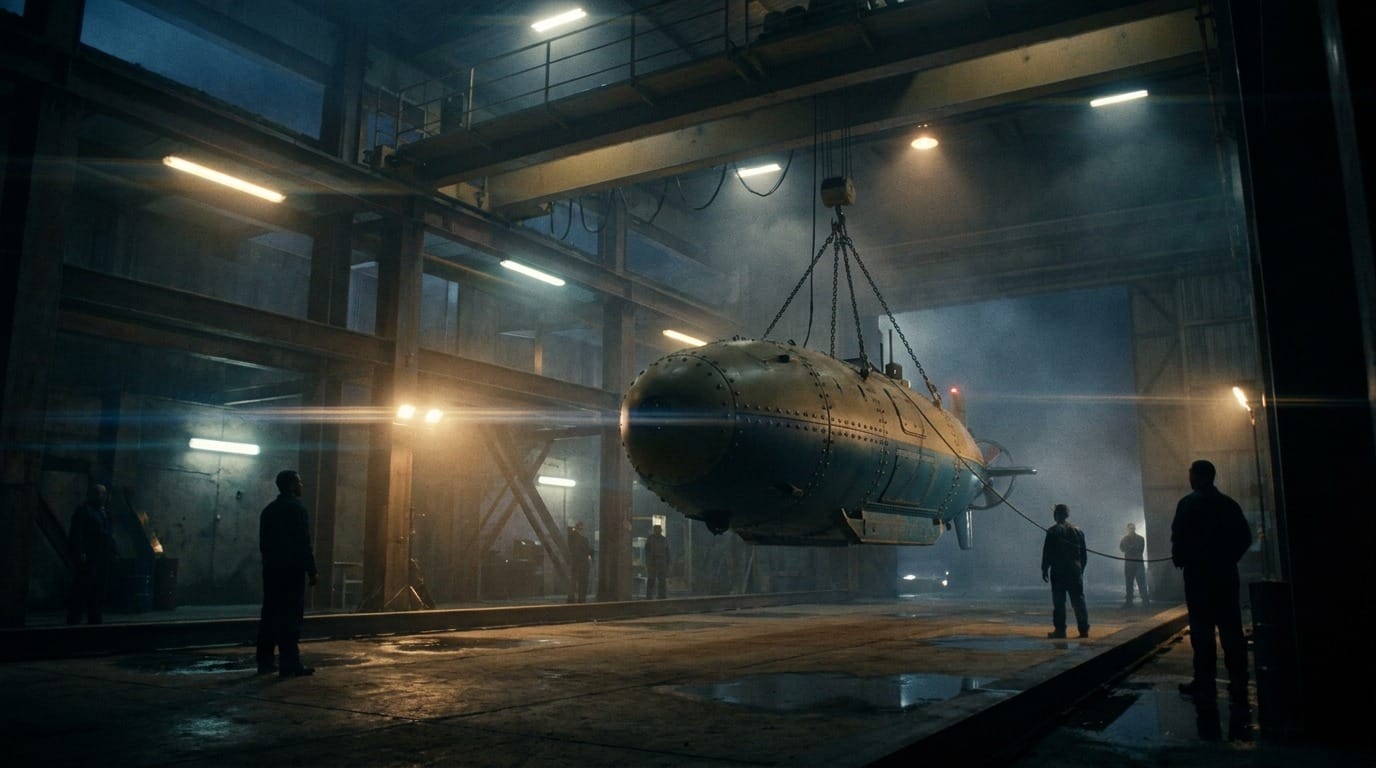
Anduril's platforms, autonomous underwater vehicles, counter-drone systems, and the Lattice software that fuses sensor data into decisions, were built for military missions, but the manufacturing capacity this funding buys does not stay fenced inside defense contracts. A factory built to produce sensors, autonomy hardware, and precision electronics at scale is the same kind of factory a company would need to supply industrial robotics, port security systems, or autonomous vehicles for civilian fleets. Every dollar spent building that manufacturing base lowers the marginal cost of the next unit sold to any customer, military or commercial, and it rebuilds a category of precision manufacturing capacity that had largely migrated overseas over the past two decades. The capital is nominally defense capital, but the industrial capacity it creates is dual-use by default, because a factory does not know or care whether its output ships to a government warehouse or a private logistics yard.
The Capital Signal
The signal is that venture capital has stopped treating defense technology as a niche, government-dependent category and started treating a handful of companies as the next generation of American industrial manufacturers. A valuation conversation that moves from $61 billion to $100 billion in two months only happens when investors believe the addressable market is much larger than a single branch of the Pentagon's budget. Expect the gap between legacy prime contractors, still valued largely on backlog and program wins, and venture-backed defense manufacturers, increasingly valued like industrial growth companies, to keep widening. The capital migration this newsletter has tracked for months is no longer a slow rotation. It is now happening inside a single fundraising cycle, compressed into weeks rather than the years it used to take capital to move from one part of the defense industrial base to another.
Signal: When a valuation nearly doubles twice in one year, the market is not pricing a contract, it is pricing a new industrial base.
Marcus Cole, Top Margin
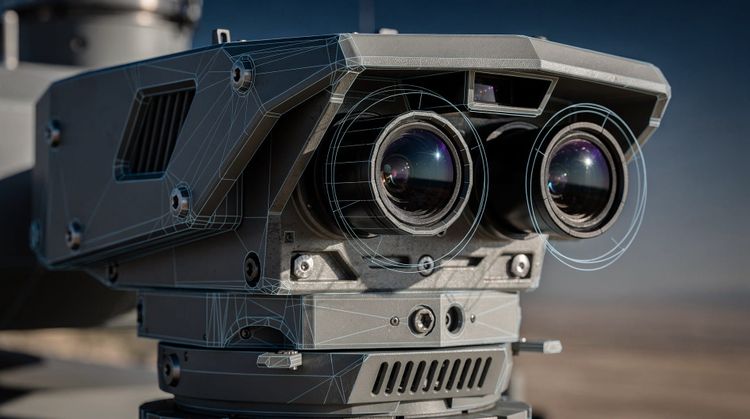
Drone Defense Is a Cost Curve Problem
At the start of July the Army awarded AeroVironment a contract worth up to $500 million over three years, through Army Contracting
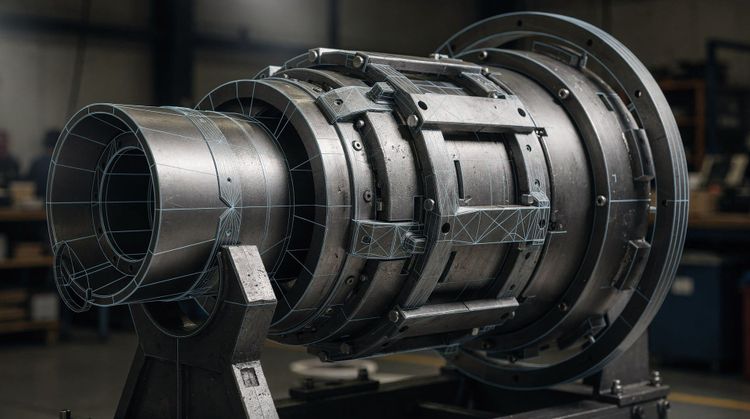
The Missile Ramp Runs Through the Motor Supplier
The Navy awarded a seven-year contract worth about $22.9 billion in mid-August to lift Tomahawk cruise missile production from
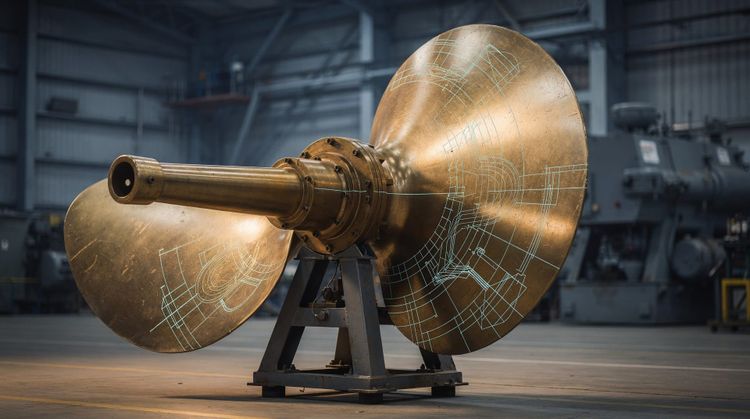
Repair Capacity Comes Before Hull Count
A presidential memorandum issued in mid-August directs the Department of War to restore capacity and competition to the maritime industrial base,
One Autonomy Stack, Two Economies
A publicly traded autonomous trucking company now sits inside three separate military ground vehicle efforts. It holds a Marine Corps contract to
Join The Strategic Reserve
Get encrypted weekly intelligence. No noise, just mission-critical data