
Drone Defense Is a Cost Curve Problem
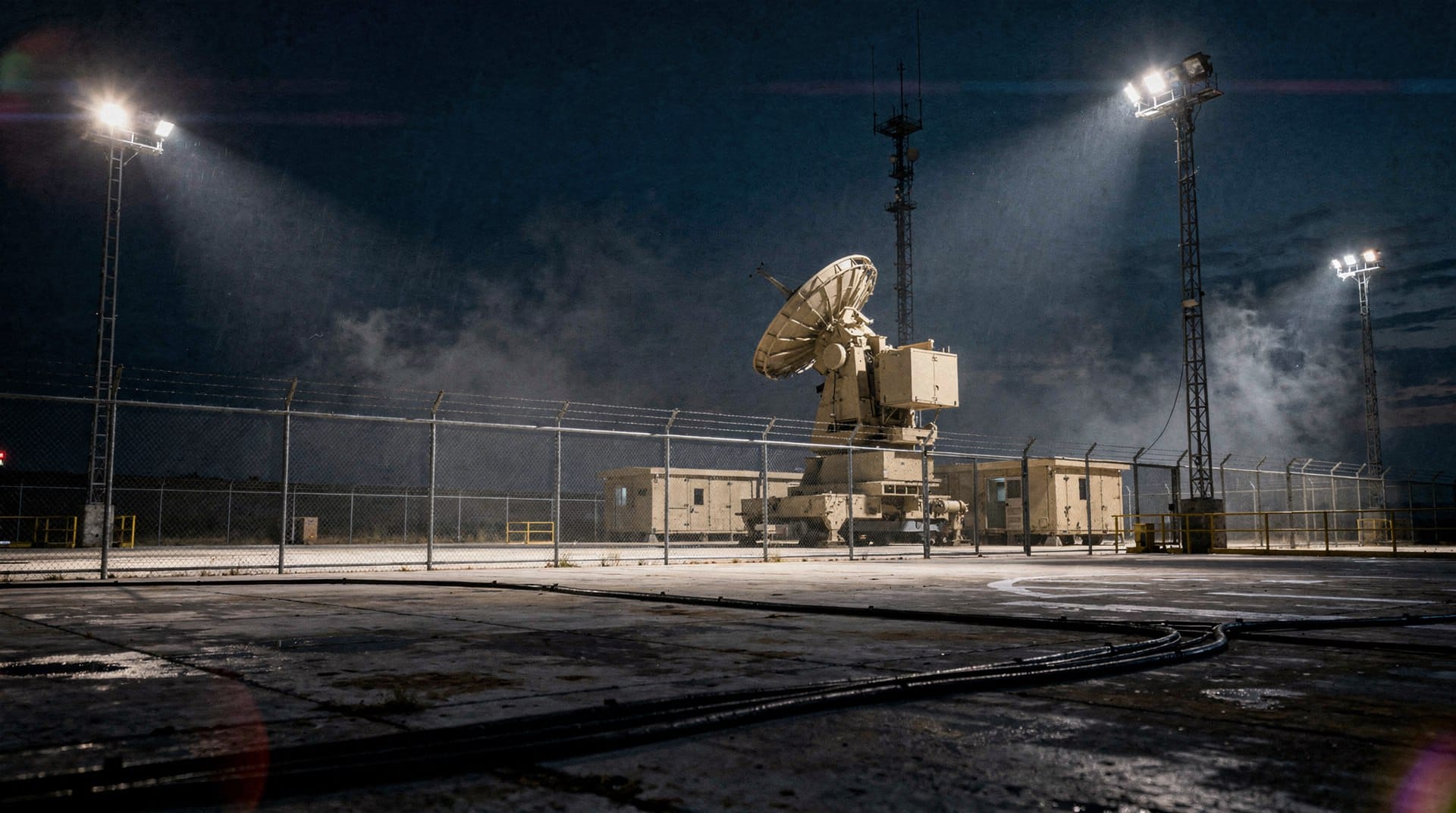
At the start of July the Army awarded AeroVironment a contract worth up to $500 million over three years, through Army Contracting Command at Detroit Arsenal, to supply commercial technology for defeating small unmanned aircraft. The company's pitch for its directed-energy system is
At the start of July the Army awarded AeroVironment a contract worth up to $500 million over three years, through Army Contracting Command at Detroit Arsenal, to supply commercial technology for defeating small unmanned aircraft. The company's pitch for its directed-energy system is not range or precision. It is that a shot from the laser can cost a few dollars, against interceptors that cost millions.
That single comparison explains more about where defense money is heading than any threat briefing. When the thing attacking you costs a few hundred dollars and the thing stopping it costs a few million, you lose the engagement even when you win it. The entire counter-drone budget is an attempt to fix that ratio, and the fix determines which companies get paid.
From the Battlefield to the Balance Sheet
Air defense was built for an era when targets were expensive. A missile that costs seven figures is a rational answer to an aircraft that costs eight. Cheap autonomous aircraft break that logic completely, because an adversary can generate targets faster and cheaper than any magazine of interceptors can absorb them. The constraint is not capability, it is cost per engagement.
So the procurement money is moving toward whatever drives that number down. Directed energy, gun-based systems, electronic attack and low-cost interceptors all compete on the same metric, and none of them work alone, which is why the Army also stood up a very large enterprise contract vehicle earlier this year to buy counter-drone capability as an integrated system rather than as a catalogue of individual defeat mechanisms. That structure is the tell. The government has concluded that the hard part is not building an effector, it is fusing radar, electro-optical sensors and multiple defeat options into one command picture that a soldier can actually operate. Integration, not hardware, is where the durable revenue sits, and integration contracts are stickier than hardware ones because replacing the layer everything else plugs into is expensive.
The Dual-Use Reality Check
The civilian version of this problem is already here and largely unsolved. Airports, stadiums, prisons, refineries, substations and border crossings all face the same cheap aircraft, and none of them can use a military effector over populated ground. What they can use is the sensing and command layer, which is the same radar, the same electro-optical tracking and the same fusion software with the kinetic options removed. A company that builds a credible detection and identification stack for a military customer has a directly transferable product for critical infrastructure operators, and the civilian market is broader by headcount of installations even if each contract is smaller.
The deeper commercial spillover is in components. High-power fiber lasers, beam directors, precision optics, thermal management and the power electronics that feed them are not defense-specific technologies. They come from the same industrial base that supplies laser cutting and welding, semiconductor lithography, medical devices and grid-scale power conversion. A defense program that funds volume production of high-power laser modules and the power electronics behind them lowers the cost of that hardware for every industrial buyer, which is the quiet way military demand ends up subsidizing factory automation.
The Capital Signal
The capital signal is that counter-drone spending is consolidating into a small number of large integration vehicles rather than dispersing across dozens of point solutions. Headline ceiling values on those vehicles are close to meaningless, because a ceiling is permission to spend rather than money committed. Task orders are the real number, and they arrive quietly.
The structural read is that cost per engagement is becoming the metric that decides which suppliers scale, in the same way cost per watt decided solar and cost per kilowatt hour decided batteries. Once a customer can compare defeat options on a single unit-cost basis, the systems that cannot get their number down stop winning, regardless of performance. That favors companies with a manufacturing story rather than an engineering one, and it favors the component suppliers underneath them, because a cheap shot is only cheap if the hardware behind it is built at volume.
Signal: Counter-drone procurement is being decided on cost per engagement, and that metric rewards manufacturing scale and integration over exquisite hardware.
Marcus Cole, Top Margin
The Missile Ramp Runs Through the Motor Supplier
The Navy awarded a seven-year contract worth about $22.9 billion in mid-August to lift Tomahawk cruise missile production from
Repair Capacity Comes Before Hull Count
A presidential memorandum issued in mid-August directs the Department of War to restore capacity and competition to the maritime industrial base,
One Autonomy Stack, Two Economies
A publicly traded autonomous trucking company now sits inside three separate military ground vehicle efforts. It holds a Marine Corps contract to
The Drone Bottleneck Was Never the Airframe
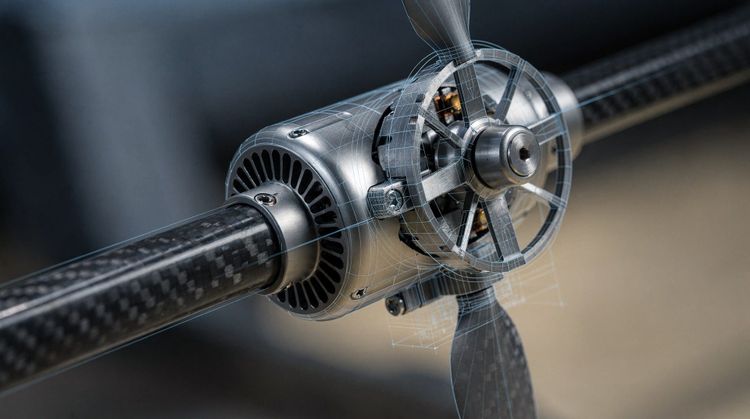
A drone manufacturer in Huntsville, Alabama received a conditional federal loan commitment of up to $820 million at the end of July,
Join The Strategic Reserve
Get encrypted weekly intelligence. No noise, just mission-critical data