
The Post-Globalist Hedge: Profiting from the Autonomous Maritime Pivot
Tracking the latest maritime blockade simulations reveals severe economic risks across our international trade routes, which forces smart legacy protectors to reallocate their wealth into domestic industrial automation. By pivoting away from fragile globalist supply chains, savvy investors can effectively use dual-use defense technologies as
Tracking the latest maritime blockade simulations reveals severe economic risks across our international trade routes, which forces smart legacy protectors to reallocate their wealth into domestic industrial automation. By pivoting away from fragile globalist supply chains, savvy investors can effectively use dual-use defense technologies as a powerful structural hedge against rising trans-Pacific inflation.
The Asymmetric Maritime Pivot: How Autonomous Swarms Are Redefining Global Trade and Sovereign Wealth
Tracking recent maritime blockade simulations reveals severe economic flaws across our international trade routes, which signals a profound disruption to the modern economy. These strategic maneuvers rely heavily on vast deployments of autonomous aerial systems, allowing foreign powers to choke off essential shipping lanes and halt global commerce. Because these uncrewed vessels disrupt the steady flow of basic goods, affluent investors must recognize that the era of frictionless trans-Pacific trade is permanently ending. Consequently, the resulting logistical bottlenecks are guaranteed to drive sustained inflationary pressures across civilian markets, creating massive new challenges for long-term wealth preservation.
Rather than viewing these geopolitical developments as distant tactical disputes, we must understand them as massive macroeconomic catalysts that reshape our financial future. These global shifts are actively reallocating astronomical sums of capital away from vulnerable globalist networks and toward secure domestic production facilities. By acknowledging this undeniable shift in maritime stability, forward-looking strategists can begin to construct a robust post-globalist hedge to protect their assets. This strategic financial positioning effectively insulates their portfolios from the inevitable supply chain shocks of tomorrow, ensuring long-term stability for their families.
The Obsolescence Warning: Why Legacy Defense Platforms Are Becoming Toxic Assets
Observing regional powers rapidly integrate expendable surface vessels into their naval doctrines reveals the asymmetric devaluation of classic military assets. Because a massive aircraft carrier can now be reliably overwhelmed by a highly networked swarm of autonomous drones, old defense strategies are failing worldwide. The sprawling defense contracts that sustain legacy aerospace giants are rapidly transforming into toxic legacy assets, losing their inherent value almost overnight. Savvy investors are taking careful note of this structural vulnerability, actively migrating their capital away from the slow-moving behemoths of the past.
This historic capital migration is accelerating rapidly as federal defense planners finally recognize the urgent need for sustainable long-term deterrents. Building a reliable defense perimeter requires mass-produced systems rather than a handful of exquisite platforms that are simply too valuable to risk in open water. By leveraging commercial manufacturing techniques and advanced artificial intelligence, modern defense innovators are producing thousands of lethal interceptors highly efficiently. Ultimately, this software-driven approach entirely upends the financial rules of maritime dominance, rendering old procurement models completely obsolete for future conflicts.
Engineering the Autonomous Hellscape: The Future of Maritime Area Denial
To effectively counter the looming threat of comprehensive port blockades, allied strategists are engineering a highly sophisticated maritime defense concept. This modern approach relies heavily on saturating contested waters with autonomous interceptors and sensor-laden drone boats to secure vital economic corridors. By deploying vast fleets of highly coordinated uncrewed vessels, defensive forces can easily disrupt hostile formations and systematically overload enemy radar systems. Ultimately, this software-driven method of area denial fundamentally alters the underlying economics of global conflict and maritime security for the foreseeable future.
Ensuring that any attempt to sever critical trade routes becomes prohibitively expensive is the primary goal of this new defensive posture. Hostile actors must expend massive amounts of material resources and operational time just to navigate through these dense autonomous swarms, which drains their budgets. Moreover, the integration of advanced electronic warfare capabilities enables these uncrewed vessels to operate seamlessly in intense combat scenarios and under heavy signal jamming. This robust resilience makes autonomous area denial a highly reliable solution for protecting international shipping lanes from aggressive blockades.
The Dual-Use Pivot: Translating Military Autonomy into Civilian Economic Power
The sophisticated artificial intelligence protocols currently being refined to orchestrate complex maritime drone swarms possess immense inherent value for the private sector. Because these advanced systems are fundamentally dual-use, the exact same target recognition algorithms designed to track hostile fleets have massive civilian applications. These powerful software tools are already being adapted to revolutionize civilian port logistics, automate commercial shipping, and streamline heavy industrial operations. This seamless translation of battlefield innovation into domestic economic productivity perfectly illustrates the power of the dual-use application for smart investors.
As domestic industries continue to grapple with severe structural labor shortages, economic growth faces significant long-term threats that demand immediate technological solutions. Integrating these military-grade automation tools into our civilian supply chains offers a highly effective way to maintain operational efficiency and reduce costs. By replacing manual labor with intelligent software, businesses can drastically reduce long-term overhead costs and improve profit margins in a tough market. Furthermore, deliberately investing in the agile software companies that bridge this lucrative gap provides a powerful, multifaceted hedge for your entire portfolio.
The Historic Capital Migration: Reshaping the Vanguard of Sovereign Defense
As the federal government actively reallocates unprecedented volumes of capital, the broader financial markets are experiencing a fundamental restructuring of defense assets. Because the Pentagon explicitly prioritizes the mass production of expendable drones, legacy aerospace programs are rapidly losing their historical dominance in the market. We are observing a historic capital migration that heavily favors agile venture-backed innovators capable of delivering immediate operational value to the military. This aggressive shift in procurement strategy marks a permanent transition away from the bloated, inefficient contractors of the past.
This streamlined ecosystem of modern technology firms operates with incredible efficiency, easily outpacing the sluggish development cycles of older companies like Lockheed. Furthermore, regional allies are drastically expanding their sovereign defense budgets to acquire the same asymmetric capabilities for their own borders. The total addressable market for domestic drone manufacturers and artificial intelligence developers is expanding at a truly staggering rate across the free world. By recognizing this undeniable momentum, you can confidently position your portfolio to capture the financial upside of this global modernization effort.
Fortress America: Securing Your Legacy Through Supply Chain Sovereignty
The ultimate objective for any serious investor navigating this period of profound macroeconomic disruption must be to achieve total supply chain sovereignty. By recognizing that the fragile era of relying on vulnerable trans-Pacific trade networks is decisively over, capable adults can take immediate action. Aligning your portfolio with the enduring principles of Fortress America is the most effective way to secure your financial legacy today. This strategic realignment requires channeling your capital into the reshoring of critical manufacturing and advanced component production within our own borders.
Achieving true economic independence requires a highly disciplined focus on the dual-use technologies that strengthen our national defense perimeter and domestic markets. These advanced systems simultaneously drive essential cost-saving automation across the broader civilian economy, creating immense value for investors who understand the trend. Consequently, the most powerful post-globalist hedge available in today’s market is to invest heavily in agile sovereign tech firms building these tools. By funding these critical enterprises, you help create a resilient national economy that can withstand severe international shocks and trade disputes.
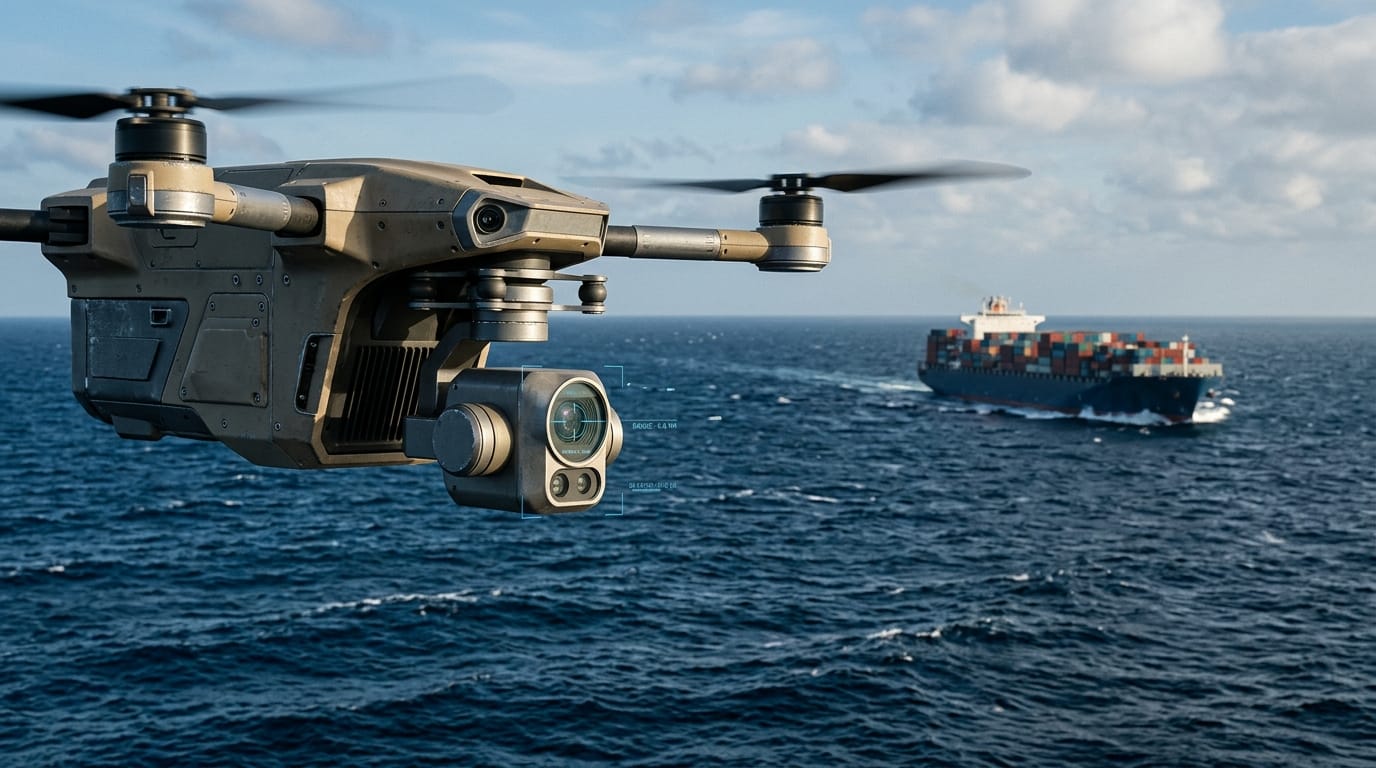
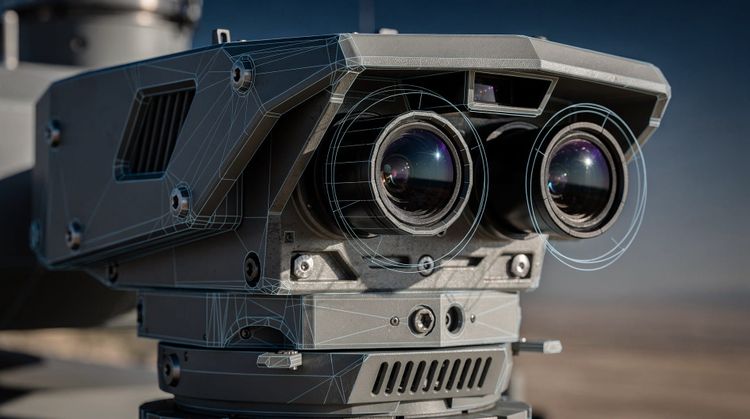
Drone Defense Is a Cost Curve Problem
At the start of July the Army awarded AeroVironment a contract worth up to $500 million over three years, through Army Contracting
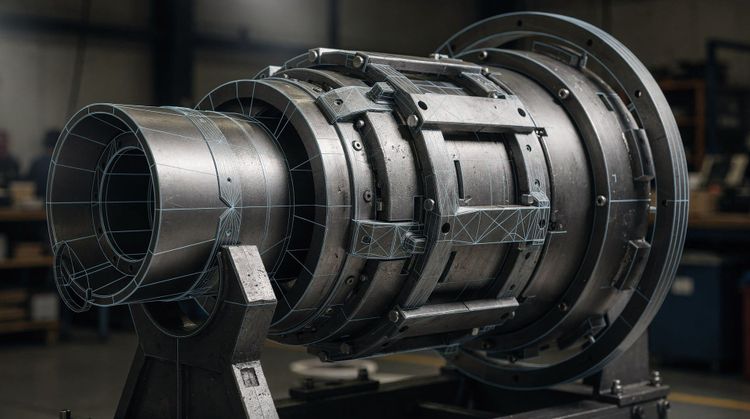
The Missile Ramp Runs Through the Motor Supplier
The Navy awarded a seven-year contract worth about $22.9 billion in mid-August to lift Tomahawk cruise missile production from

Repair Capacity Comes Before Hull Count
A presidential memorandum issued in mid-August directs the Department of War to restore capacity and competition to the maritime industrial base,

One Autonomy Stack, Two Economies
A publicly traded autonomous trucking company now sits inside three separate military ground vehicle efforts. It holds a Marine Corps contract to
Join The Strategic Reserve
Get encrypted weekly intelligence. No noise, just mission-critical data