
The Pentagon Is Buying a Cost Curve, Not Just Drones
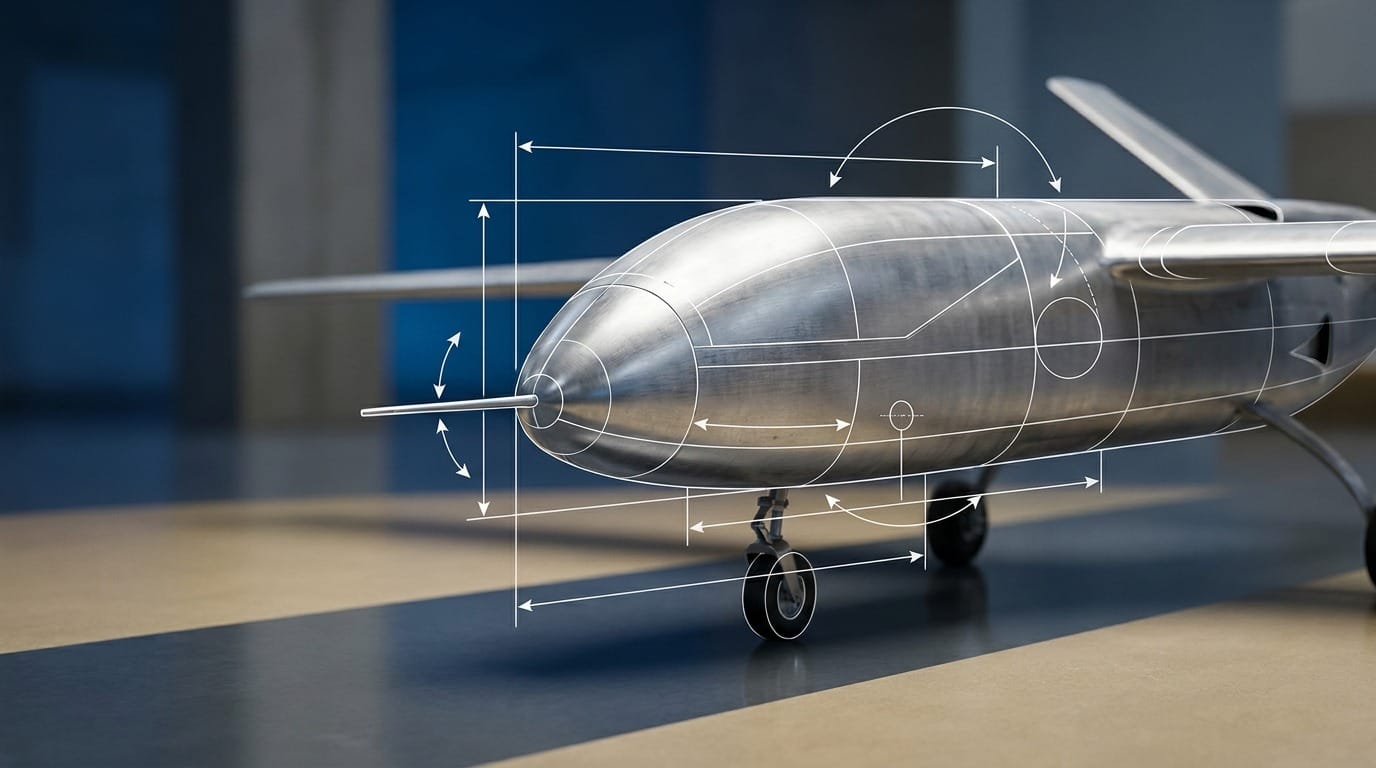
In March, the Pentagon laid out the first phase of its Drone Dominance program: roughly $1.1 billion over eighteen months, spread across a dozen vendors, to deliver 30,000 one-way attack drones at a target price of about $5,000 apiece. Later phases are
In March, the Pentagon laid out the first phase of its Drone Dominance program: roughly $1.1 billion over eighteen months, spread across a dozen vendors, to deliver 30,000 one-way attack drones at a target price of about $5,000 apiece. Later phases are supposed to shrink the vendor pool, raise the volume, and push the unit price down toward $2,300. That is not a weapons program in the traditional sense. It is a manufacturing cost curve, applied to a category of hardware the Pentagon used to buy a few hundred units at a time. The broader push sits inside a $54.6 billion research and development request for autonomous systems in the fiscal 2027 budget, which is the clearest signal yet that this is meant to be a permanent shift in how the Pentagon buys small unmanned systems, not a one-time pilot program.
The shift matters more than any single contract number. For decades, defense procurement rewarded exquisite, expensive, low-volume hardware built to exacting specifications over many years. Drone Dominance inverts that logic on purpose: it rewards whichever vendor can hit a falling price target at rising volume, the same discipline that governs a consumer electronics supply chain, not a fighter jet program.
From the Battlefield to the Balance Sheet
A traditional defense program locks in one contractor for a multi-decade run and prices accordingly. Drone Dominance is structured as a series of open competitions specifically so no single vendor can get comfortable, and so the government keeps leverage to shift volume toward whoever is actually driving costs down. That changes what a defense manufacturer needs to be good at. Winning used to mean navigating a slow-moving acquisition bureaucracy and outlasting competitors over a decade-long program. Now it means running a factory that can scale from thousands to tens of thousands of units while unit economics keep improving, which is a manufacturing and supply chain problem more than a lobbying one. Capital allocators should treat a company's ability to hit a falling cost curve as the actual moat here, not any single contract award, because the program is explicitly designed to reward the vendor who keeps improving after the ink is dry.
The Dual-Use Reality Check
The manufacturing discipline required to build a $5,000 drone and then a $2,300 one is not exotic. It is the same volume manufacturing, supply chain negotiation, and continuous cost reduction that any consumer hardware or industrial equipment maker already practices, just applied to a category, small unmanned aircraft, that until recently was priced like a specialty defense good. Companies that build this capability for the Pentagon's drone contracts are simultaneously building a domestic manufacturing base for small unmanned aircraft that agriculture, infrastructure inspection, and logistics companies already want at civilian price points. A factory tuned to hit military cost and volume targets does not need to relearn how to build a cheaper drone for a power utility inspecting transmission lines, it already knows how.
The Capital Signal
The signal from Drone Dominance is that the Pentagon has stopped trying to buy its way out of the small drone cost problem with a handful of large contracts and started trying to manufacture its way out with competitive pressure and volume. That is a more durable model for the companies that succeed at it, because a proven falling cost curve is a credential that transfers to the next government program and to commercial customers alike. Watch for the vendor pool to narrow quickly as the program moves through its phases, and expect the survivors to look less like traditional defense contractors and more like scaled electronics manufacturers that happen to sell some of their output to the government. The companies that lose this competition will not lose because their drone flew worse, they will lose because they could not get the unit cost down fast enough at volume.
Signal: The Pentagon just told its drone suppliers to compete on manufacturing cost curves, not on relationships, and that rewards a very different kind of company.
Marcus Cole, Top Margin
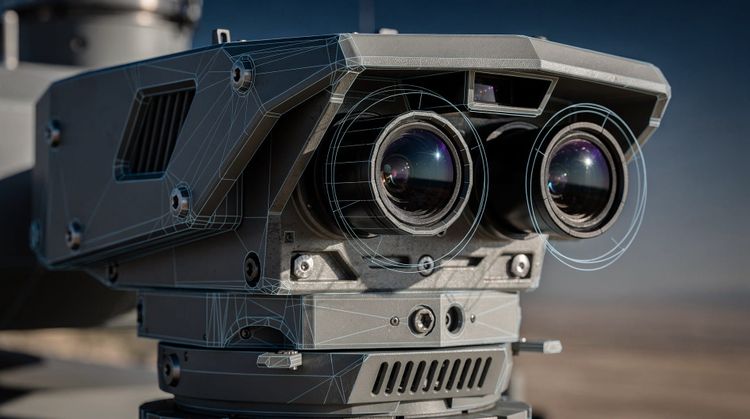
Drone Defense Is a Cost Curve Problem
At the start of July the Army awarded AeroVironment a contract worth up to $500 million over three years, through Army Contracting
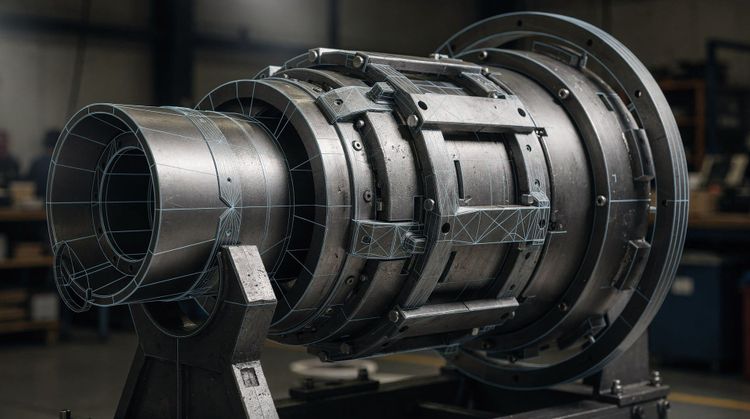
The Missile Ramp Runs Through the Motor Supplier
The Navy awarded a seven-year contract worth about $22.9 billion in mid-August to lift Tomahawk cruise missile production from
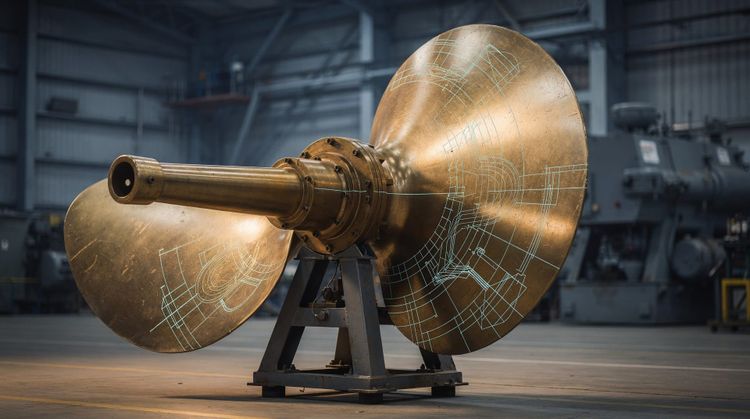
Repair Capacity Comes Before Hull Count
A presidential memorandum issued in mid-August directs the Department of War to restore capacity and competition to the maritime industrial base,
One Autonomy Stack, Two Economies
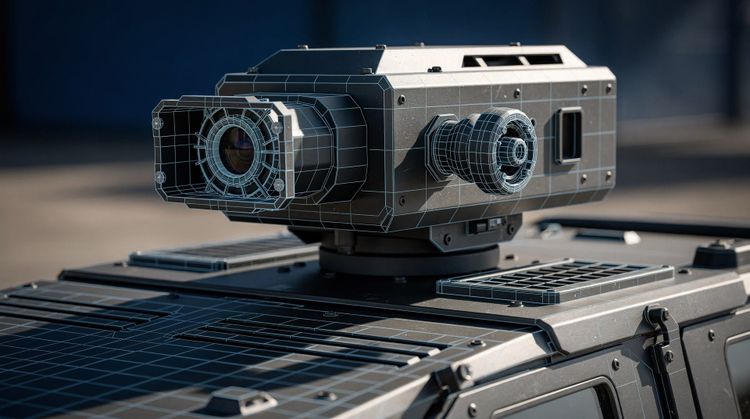
A publicly traded autonomous trucking company now sits inside three separate military ground vehicle efforts. It holds a Marine Corps contract to
Join The Strategic Reserve
Get encrypted weekly intelligence. No noise, just mission-critical data