
The Navy Is Buying Proof, Not Just Ships
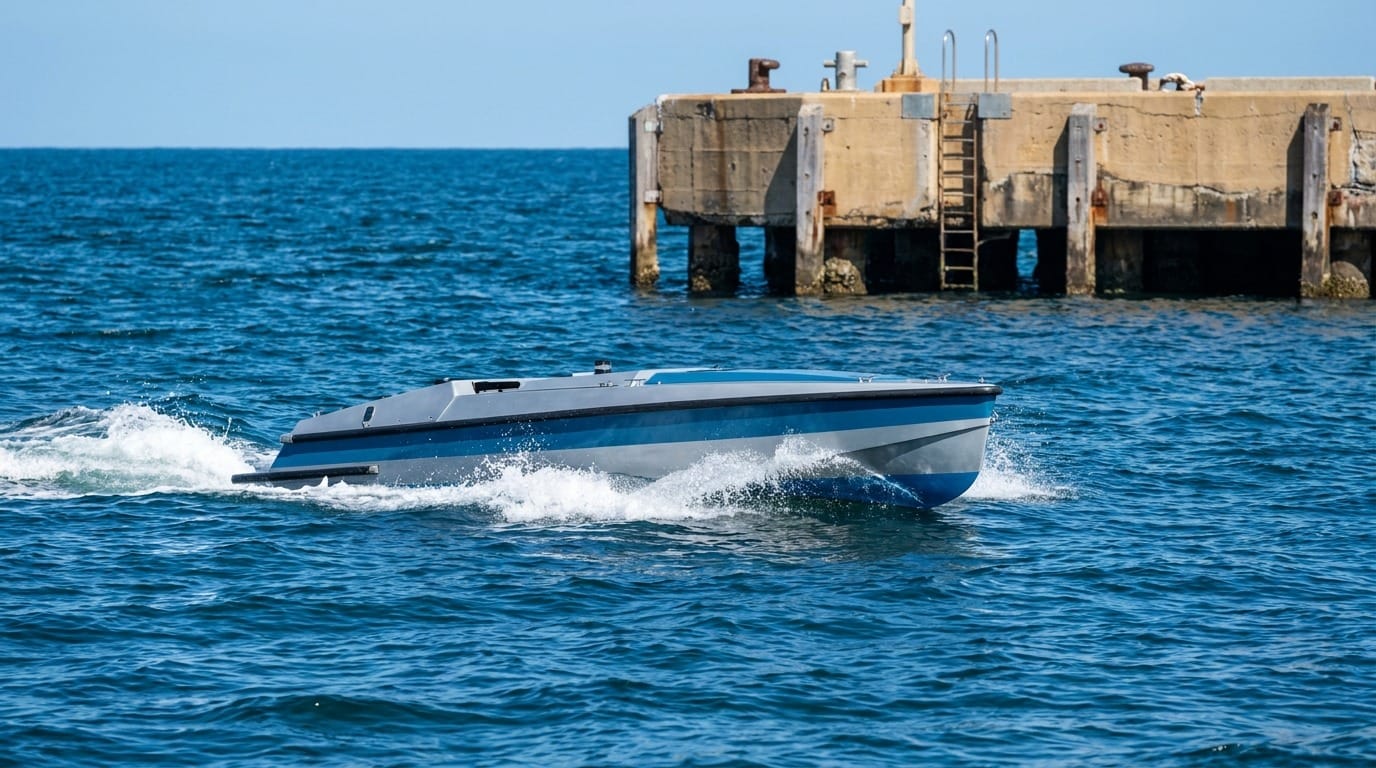
Saronic just signed a $392 million production contract with the Navy to accelerate delivery of autonomous surface vessels, one of the largest Other Transaction Authority agreements the Navy has ever used. Seven companies, ranging from established shipbuilder Huntington Ingalls to two-year-old startups, are simultaneously
Saronic just signed a $392 million production contract with the Navy to accelerate delivery of autonomous surface vessels, one of the largest Other Transaction Authority agreements the Navy has ever used. Seven companies, ranging from established shipbuilder Huntington Ingalls to two-year-old startups, are simultaneously advancing through the Navy's Medium Unmanned Surface Vessel program, with at-sea prototype testing running from June through October this year. The Navy plans to field 47 medium unmanned surface vessels and 16 large unmanned underwater vessels by 2031.
That is a materially different shipbuilding problem than a destroyer or a submarine. An unmanned surface vessel does not need to house a crew, feed them, or protect them for months at sea, which changes what the hull, the propulsion, and the build process actually require. It is closer to building a fleet of very large, very seaworthy industrial vehicles than to building a traditional warship, and that difference is exactly why a startup with no prior shipbuilding pedigree can credibly compete against Huntington Ingalls for the same contract. Blue Water Autonomy, working with the Dutch shipbuilder Damen, is already laying the first steel hull of its 187-foot Liberty Class at a U.S. shipyard this year, aiming for delivery before the end of 2026.
From the Battlefield to the Balance Sheet
Traditional naval shipbuilding is one of the most consolidated, slowest-moving corners of the defense industrial base, dominated by a handful of yards that can take a decade to deliver a single vessel. The unmanned surface vessel programs are structured deliberately to avoid that trap, running seven different designs through parallel prototype testing rather than picking a winner up front, and rewarding whichever contractor can actually get a hull in the water and operating reliably. Saronic's $392 million award came after it had already demonstrated vessels performing real missions, not just design studies, which is the same lesson this newsletter has tracked across drones and munitions: production evidence beats a better slide deck. Capital allocators should treat a company's demonstrated hours underway, not its funding round size, as the leading indicator in this category, because the Navy's own selection process is now explicitly built around exactly that evidence.
The Dual-Use Reality Check
An autonomous vessel built to patrol, surveil, or resupply without a crew uses the same navigation, collision avoidance, and remote monitoring systems that a commercial shipping company would want for reducing crew costs on long ocean routes, or that a port operator would want for harbor security and inspection work. The sensor fusion and autonomy stack is functionally similar to what this newsletter has already covered in autonomous trucking, adapted for water instead of highway, and the shipbuilding techniques used to produce hulls quickly and cheaply for the military translate directly into lower-cost commercial vessels for offshore energy, fishing, and cargo operators who face the same crew shortages the broader maritime industry has struggled with for years. A shipyard that learns to build fifty autonomous naval hulls a year has built a manufacturing capability that a commercial customer with the same crewing problem would happily buy into.
The Capital Signal
The signal from the unmanned surface vessel programs is that naval shipbuilding, long treated as the most immovable part of the defense industrial base, is being forced through the same reshoring and manufacturing-scale playbook already applied to drones, munitions, and satellites. The Navy is deliberately keeping multiple vendors alive through prototype testing rather than consolidating early, which means capital should stay diversified across this cohort rather than picking a single winner before the at-sea results are in. Watch for the companies that convert prototype testing hours into production contracts fastest, because that conversion, not the design on paper, is what the Navy is actually buying. A design that looks elegant on a spec sheet but has not logged real hours at sea is, for the purposes of this program, indistinguishable from a design that does not exist yet.
Signal: The Navy is no longer just buying ships, it is buying proof that a shipyard can build them fast enough to matter.
Marcus Cole, Top Margin
Drone Defense Is a Cost Curve Problem
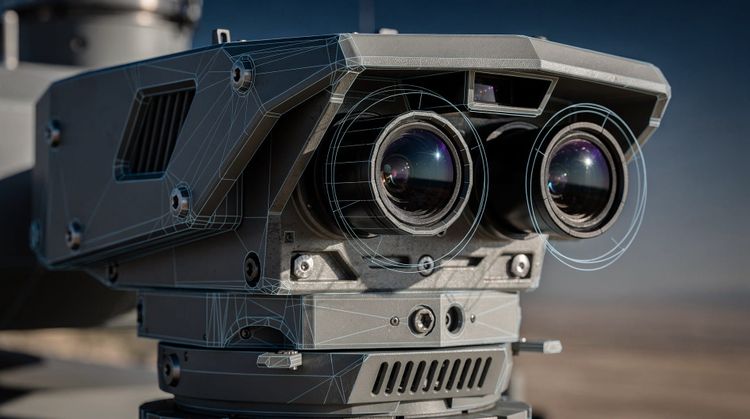
At the start of July the Army awarded AeroVironment a contract worth up to $500 million over three years, through Army Contracting
The Missile Ramp Runs Through the Motor Supplier
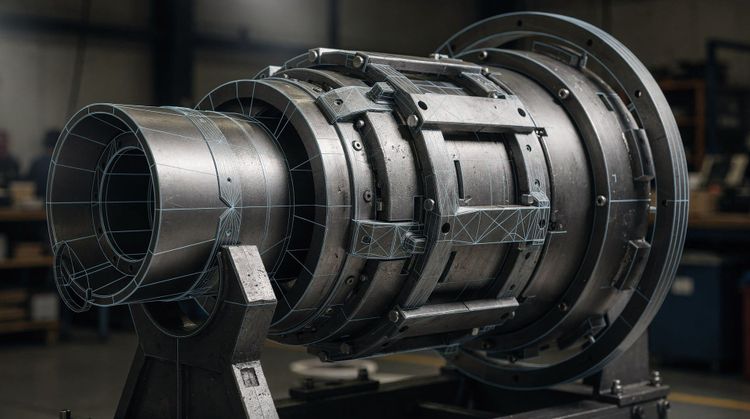
The Navy awarded a seven-year contract worth about $22.9 billion in mid-August to lift Tomahawk cruise missile production from
Repair Capacity Comes Before Hull Count
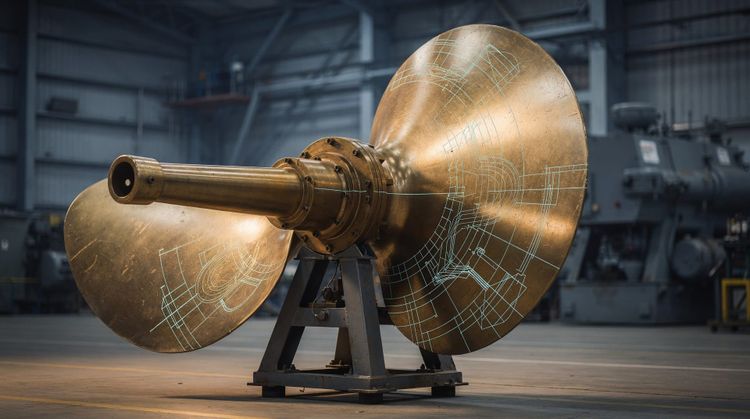
A presidential memorandum issued in mid-August directs the Department of War to restore capacity and competition to the maritime industrial base,
One Autonomy Stack, Two Economies
A publicly traded autonomous trucking company now sits inside three separate military ground vehicle efforts. It holds a Marine Corps contract to
Join The Strategic Reserve
Get encrypted weekly intelligence. No noise, just mission-critical data