
Already Under Construction, Already Generating Revenue
The Army Corps of Engineers awarded roughly $2 billion in contracts this year for military energy resilience projects, and the Pentagon's Energy Resilience and Conservation Investment Program has been requesting north of $500 million annually to build cyber-secure microgrids, on-site solar generation,
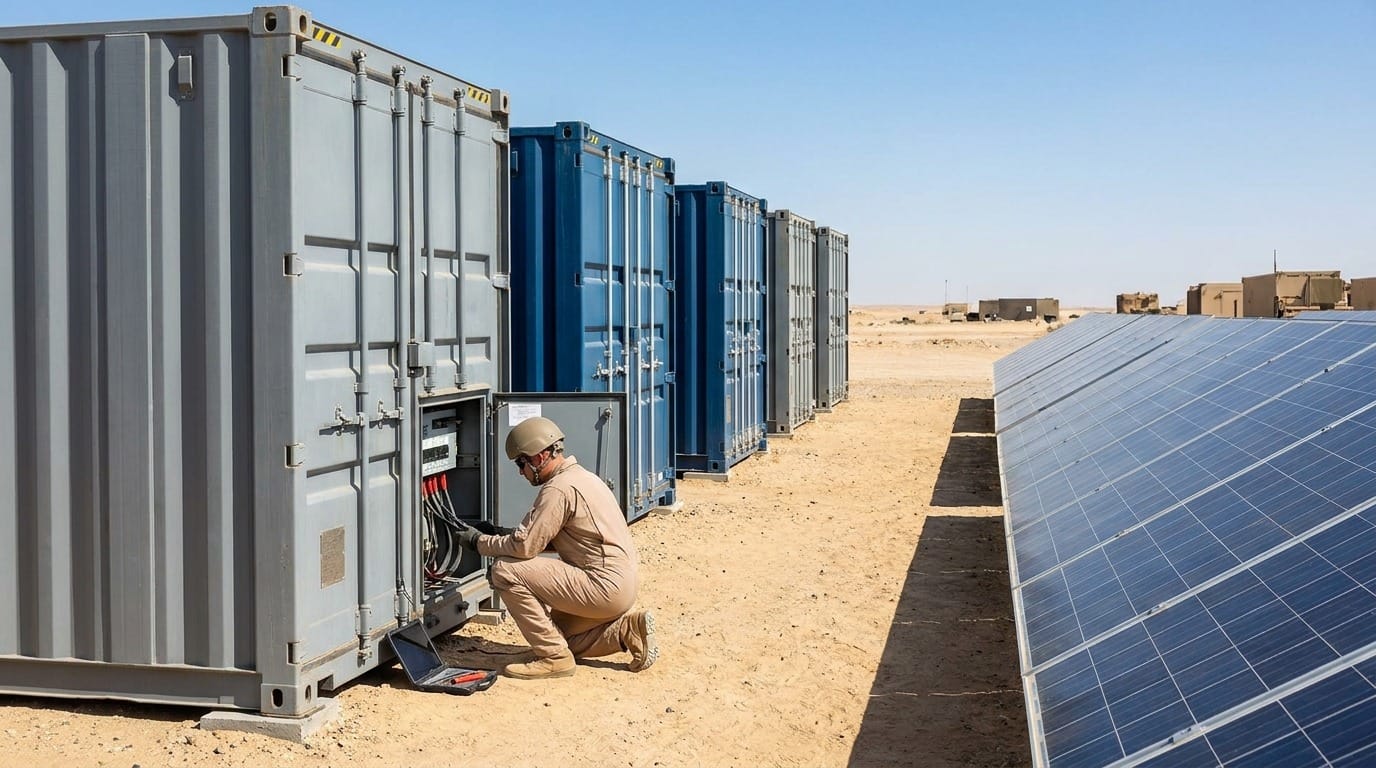
The Army Corps of Engineers awarded roughly $2 billion in contracts this year for military energy resilience projects, and the Pentagon's Energy Resilience and Conservation Investment Program has been requesting north of $500 million annually to build cyber-secure microgrids, on-site solar generation, and battery storage across domestic installations. A single fiscal 2026 project at a reserve center in California bundles diesel backup, a ground-mounted solar array, battery storage, and microgrid controls into one contract, with completion targeted for 2028. The military microgrid market broadly is projected to grow at better than 17 percent a year through the middle of the next decade.
This is a quieter version of the same problem this newsletter has already covered with nuclear microreactors, a base that depends entirely on the commercial grid has a single point of failure sitting in plain sight, but batteries and solar are a faster, cheaper, and far less regulatorily complicated way to attack the same vulnerability than waiting years for a reactor to clear certification. Some estimates put total spending on military microgrids in 2026 alone as high as $1.4 billion, which is real money moving now rather than a number attached to a program still years from breaking ground.
From the Battlefield to the Balance Sheet
A microgrid paired with battery storage lets a base keep running critical systems during a grid outage without depending on diesel generators and fuel deliveries, which are themselves a supply chain vulnerability and an ongoing operating cost. Unlike the microreactor story, which depends on a small number of first-of-kind nuclear designs clearing a slow certification process, battery and solar microgrid technology is already commercially mature and can be deployed on a normal military construction timeline, which is why the dollar figures moving through the Army Corps and ERCIP programs are already real contracts under construction rather than pilot programs waiting on a testing milestone. Capital allocators should treat this as one of the more immediately executable categories in the entire energy resilience theme this newsletter tracks, precisely because it does not require a technology breakthrough, only construction capacity and integration expertise.
The Dual-Use Reality Check
Battery storage, solar generation, and microgrid control software are exactly the same technologies utilities, universities, hospitals, and corporate campuses have been deploying for years to harden their own power supply against grid outages and improve resilience against extreme weather, and a contractor building cyber-secure microgrid controls for a military base is using the identical playbook a hospital system or a data center operator uses for its own backup power. The military's requirement for a cyber-hardened, secure control system is a more demanding version of a capability the broader commercial market already wants, which means a company proving it can build and secure a military-grade microgrid has a credential that translates directly into the civilian critical infrastructure market without needing new technology. Hospitals and data centers in particular are facing their own rising exposure to grid instability as electricity demand climbs, and both are natural buyers for the exact hardening playbook a base contractor has already proven out.
The Capital Signal
The signal is that energy resilience spending is not one category, it is a portfolio spanning near-term, commercially mature technology like battery and solar microgrids and longer-dated, higher-risk bets like nuclear microreactors, and the government is funding both simultaneously the way this newsletter has already flagged in position, navigation, and timing. Capital allocators should treat the microgrid and battery storage buildout as the nearer-term, lower-risk half of that energy resilience portfolio, generating real contract revenue today, while the microreactor program remains the longer-dated call option on a harder technology bet. A portfolio approach like this is exactly what a prudent allocator would build if genuinely unsure which timeline the underlying threat actually operates on.
Signal: While the microreactor makes headlines, the battery and solar microgrid is already under construction and already generating revenue.
Marcus Cole, Top Margin

Drone Defense Is a Cost Curve Problem
At the start of July the Army awarded AeroVironment a contract worth up to $500 million over three years, through Army Contracting
The Missile Ramp Runs Through the Motor Supplier
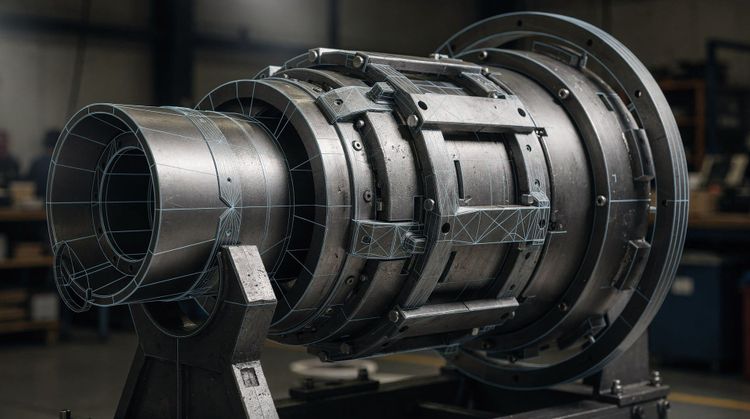
The Navy awarded a seven-year contract worth about $22.9 billion in mid-August to lift Tomahawk cruise missile production from

Repair Capacity Comes Before Hull Count
A presidential memorandum issued in mid-August directs the Department of War to restore capacity and competition to the maritime industrial base,
One Autonomy Stack, Two Economies
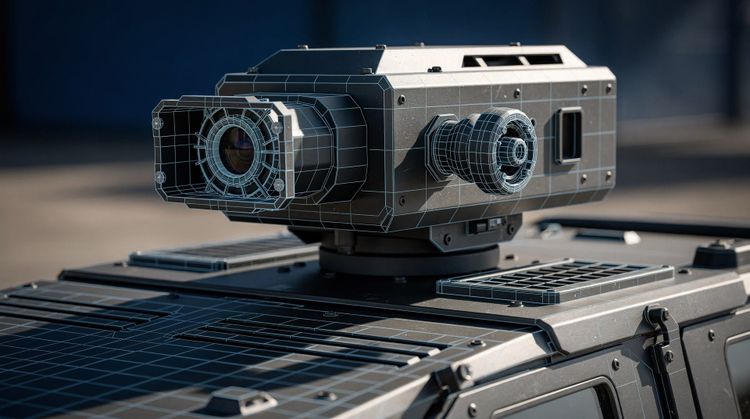
A publicly traded autonomous trucking company now sits inside three separate military ground vehicle efforts. It holds a Marine Corps contract to
Join The Strategic Reserve
Get encrypted weekly intelligence. No noise, just mission-critical data